SangSpa Logo

Sang Spa – Ubud, 8 May 2026
Introduction

Sleep is one of the most important foundations of physical and mental well-being. However, many modern travelers and working professionals struggle with poor sleep quality due to stress, overstimulation, irregular schedules, and mental fatigue. Even while on holiday, some people find it difficult to fully relax and experience deep, restorative rest.

In recent years, wellness tourism has increasingly focused on experiences that support relaxation and nervous system recovery. Spa treatments, massage therapy, and calming wellness rituals are now commonly sought not only for relaxation, but also as part of a broader approach to improving sleep quality naturally.

This article explores how spa experiences and relaxation therapies may help support better sleep and why many travelers in Ubud seek wellness treatments as part of their rest and recovery journey.

The Relationship Between Stress and Sleep

Sleep quality is closely connected to the condition of the nervous system. When the body remains in a prolonged state of stress or overstimulation, it can become difficult to fully relax at night.

Research has shown that chronic stress and elevated cortisol levels are associated with reduced sleep quality and difficulty maintaining healthy sleep patterns (Morin et al., 2015). Mental overactivity, anxiety, and physical tension may also contribute to difficulty falling asleep or staying asleep.

For many travelers, long flights, changing time zones, and overstimulating schedules can further disrupt the body’s natural rhythm. This is one of the reasons why relaxation-focused wellness experiences have become increasingly popular in destinations such as Ubud.

How Massage Therapy Supports Relaxation

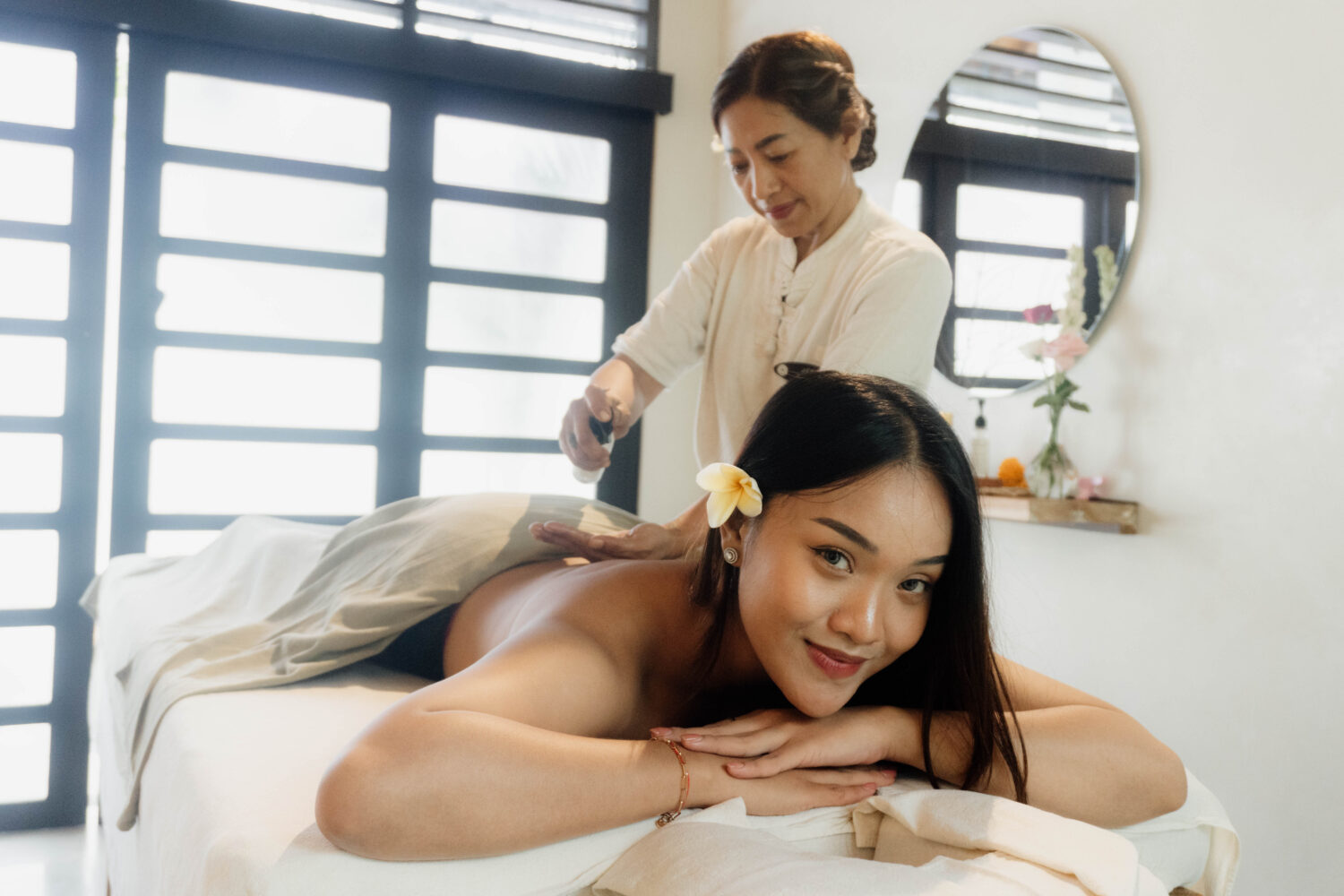
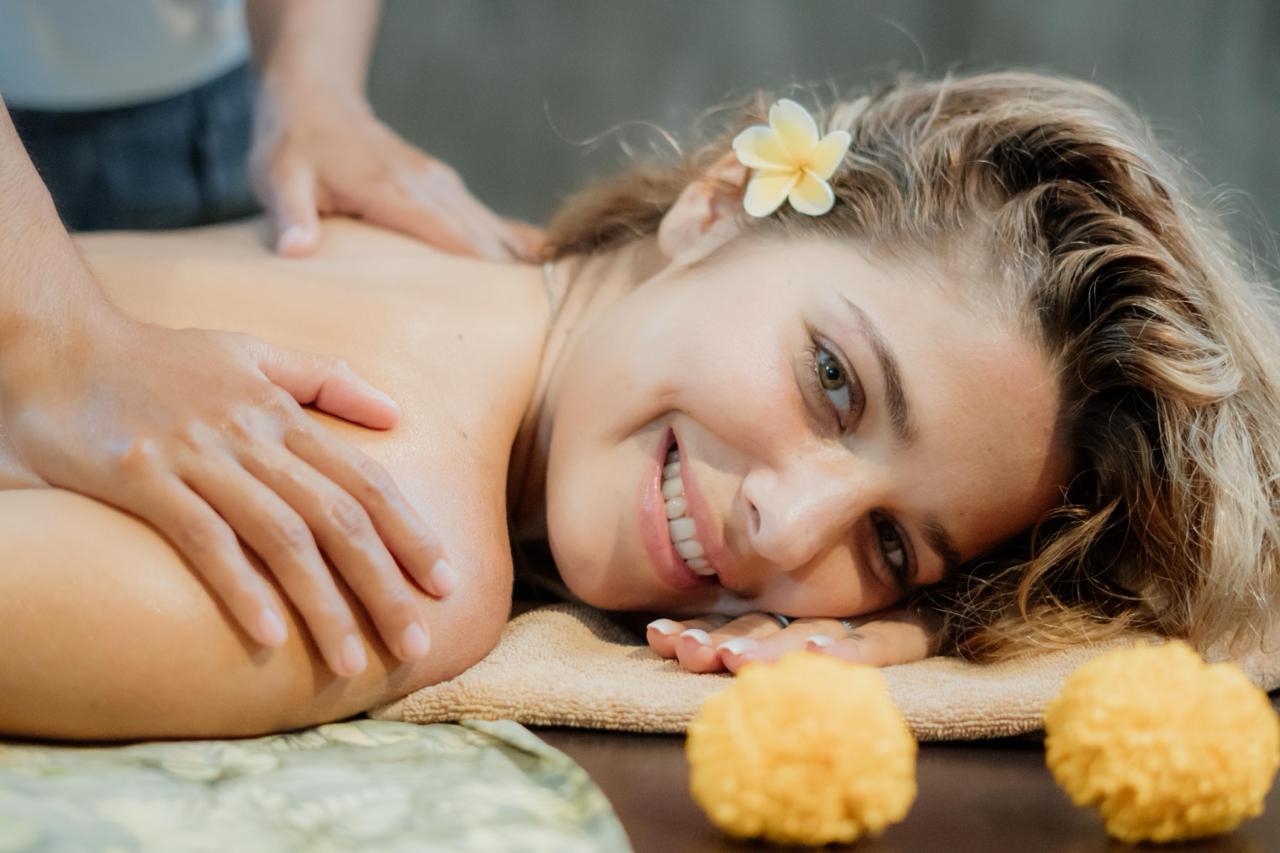
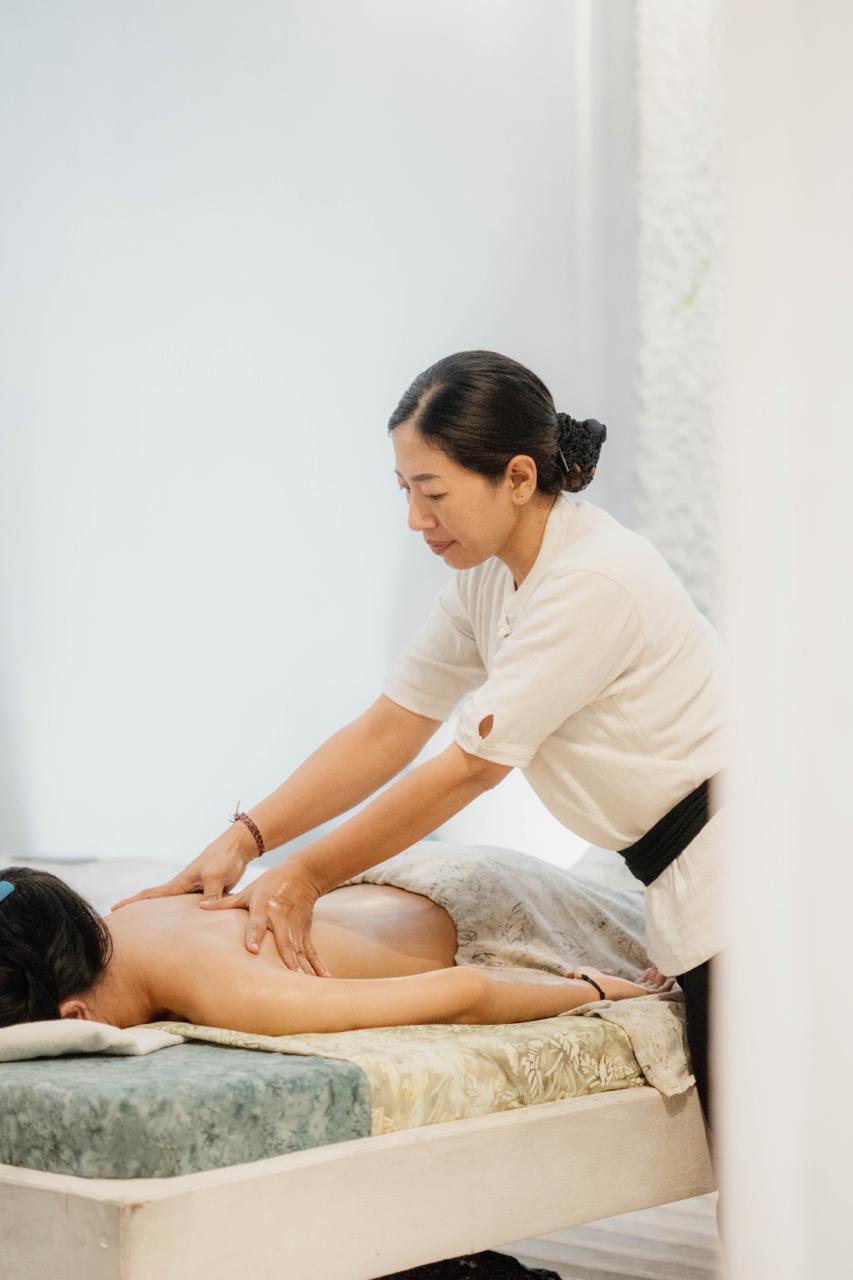
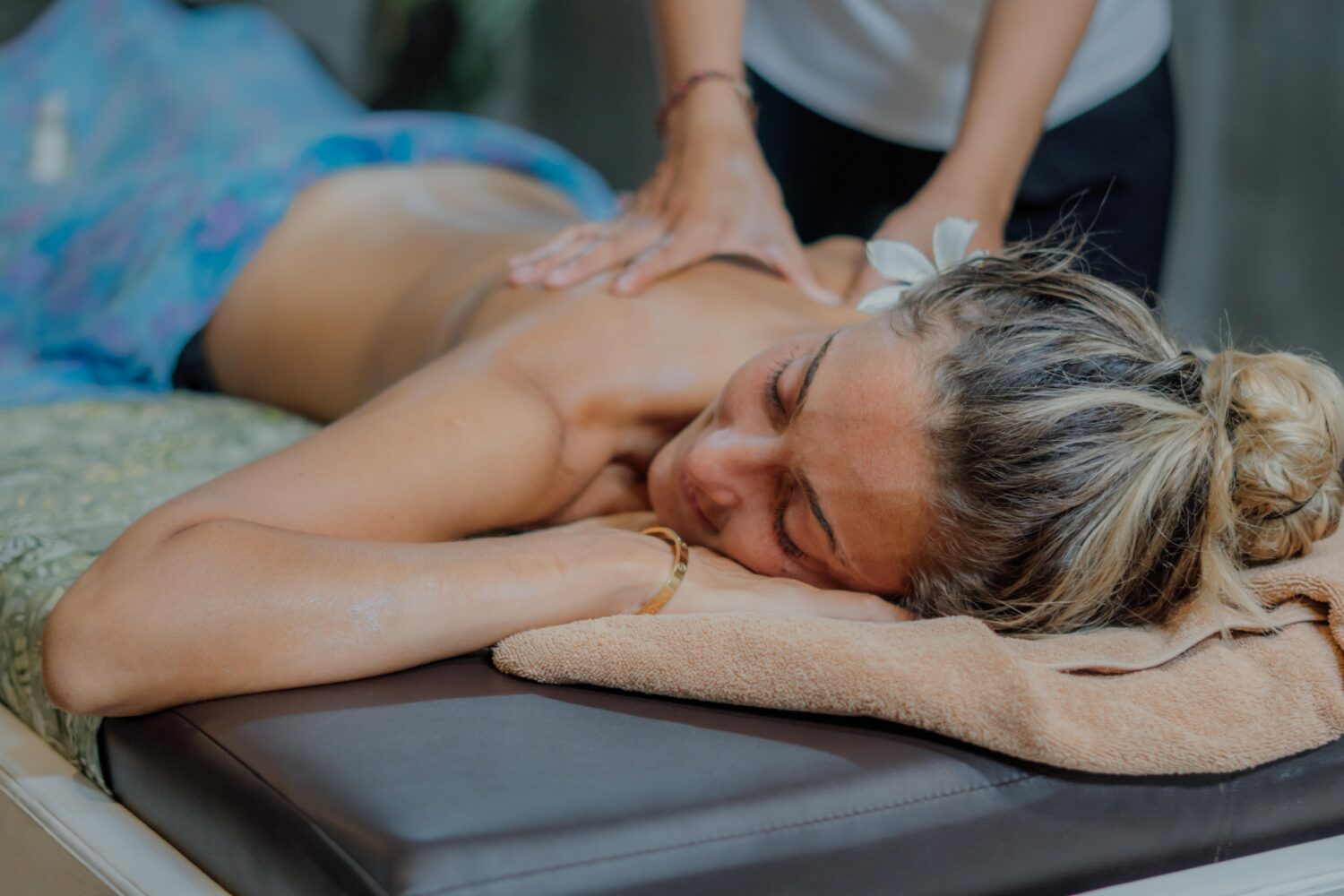
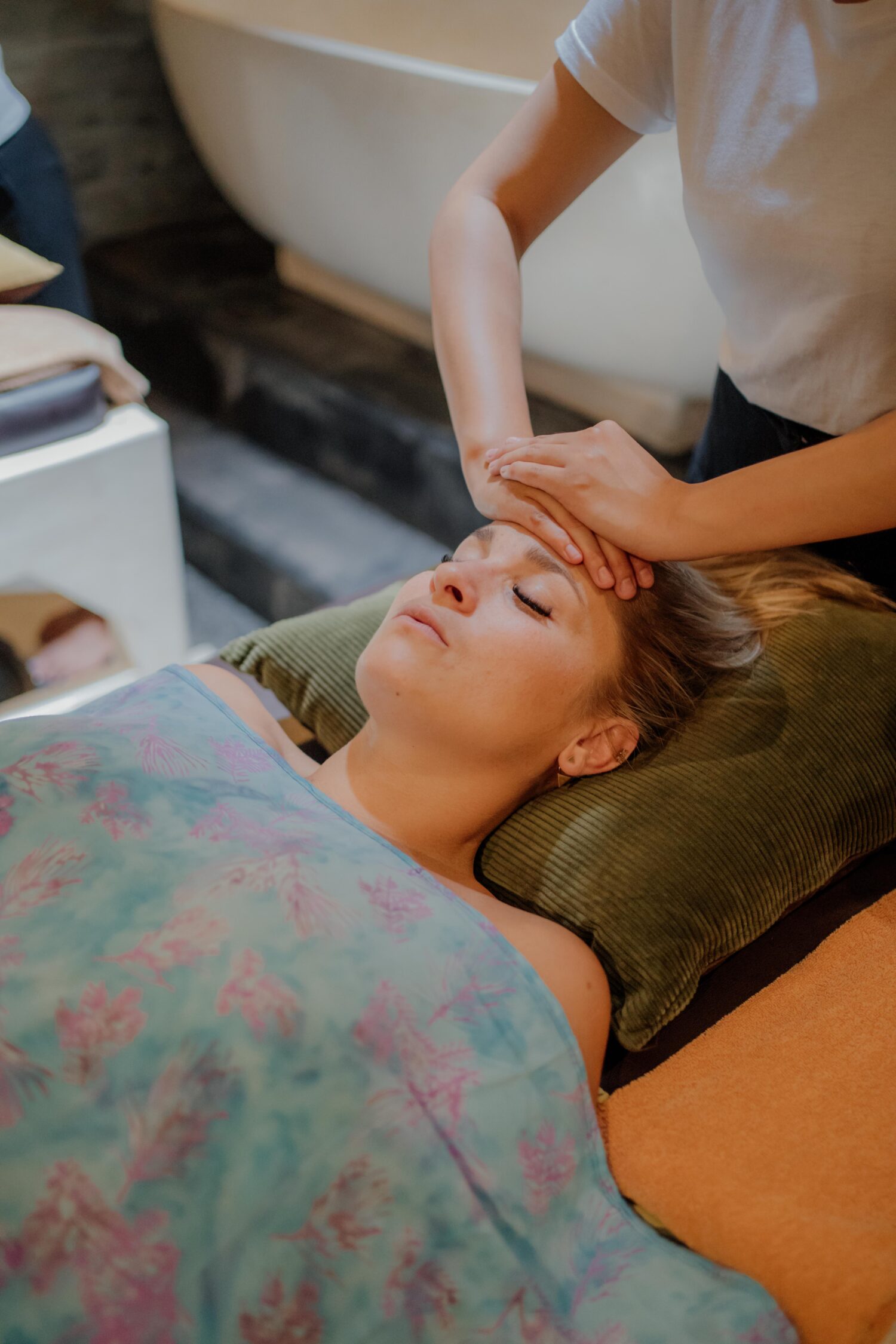
Massage therapy has long been associated with relaxation and stress reduction. Traditional Balinese massage, in particular, combines rhythmic movements, acupressure techniques, and calming oils that help release muscle tension and promote a sense of calm.

Studies suggest that massage therapy may help reduce cortisol levels while supporting the production of serotonin and dopamine, neurotransmitters associated with relaxation and emotional balance (Field, 2016). These physiological responses may contribute to improved overall well-being and better sleep support.

Beyond the physical effects, massage also creates an opportunity for the mind to slow down. In a quiet and calming environment, guests are encouraged to disconnect from daily distractions and focus on rest and recovery.

Why Environment Matters in Relaxation and Sleep Support

The environment surrounding a wellness experience plays an important role in relaxation. Natural settings, calming sounds, soft lighting, and peaceful spaces can help the body shift into a more restorative state.

Research on restorative environments has shown that exposure to nature can support stress recovery and improve mental restoration (Kaplan & Kaplan, 1989). This is one of the reasons why Ubud has become a globally recognized wellness destination.

Many spas in Ubud are intentionally designed to create a calming sensory experience through garden settings, natural sounds, aromatherapy, and slower-paced rituals. These elements work together to support emotional decompression and deeper relaxation.

The Growing Interest in Wellness and Sleep Tourism

Around the world, more travelers are seeking experiences that help them feel rested, emotionally balanced, and mentally clear. Wellness tourism has evolved beyond luxury spa experiences and increasingly focuses on recovery, mindfulness, and holistic well-being.

According to Smith and Puczkó (2014), modern wellness travelers are often motivated by the desire to reduce stress, improve overall health, and reconnect with themselves emotionally and physically.

As a result, wellness experiences that support calmness, relaxation, and better sleep quality have become an important part of many travel journeys, particularly in destinations known for healing and restoration such as Bali.

Experiencing Deep Relaxation at Sang Spa

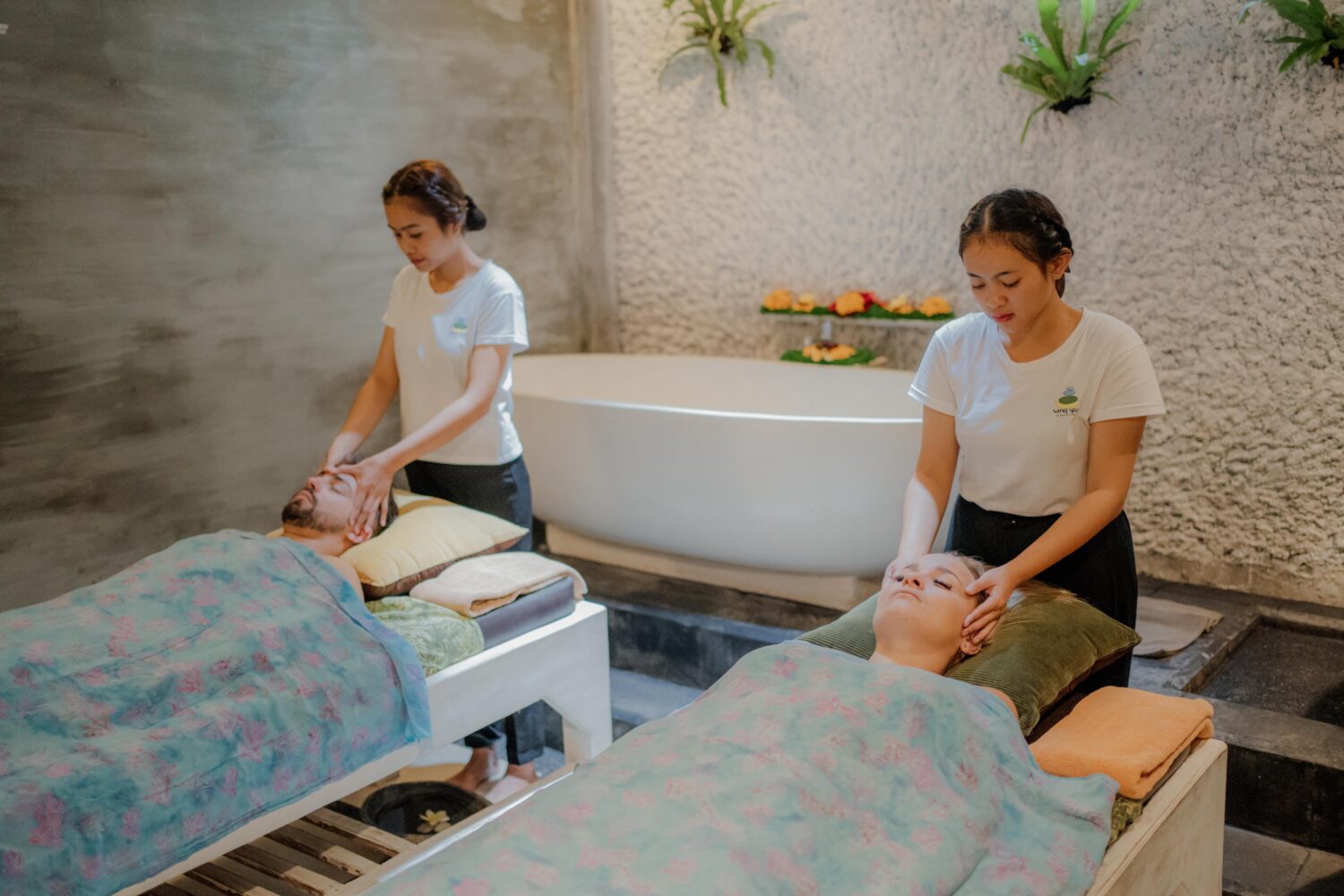
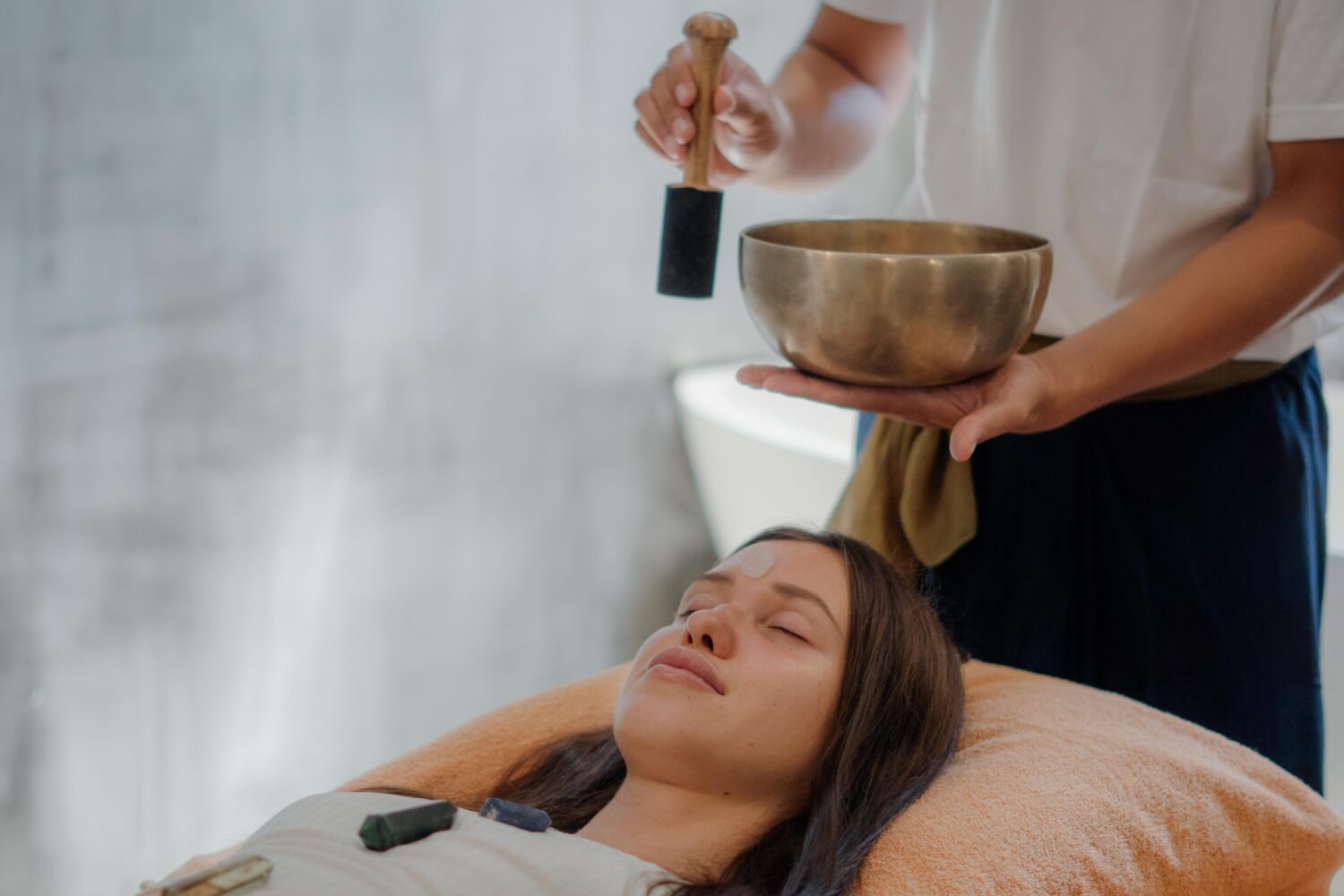
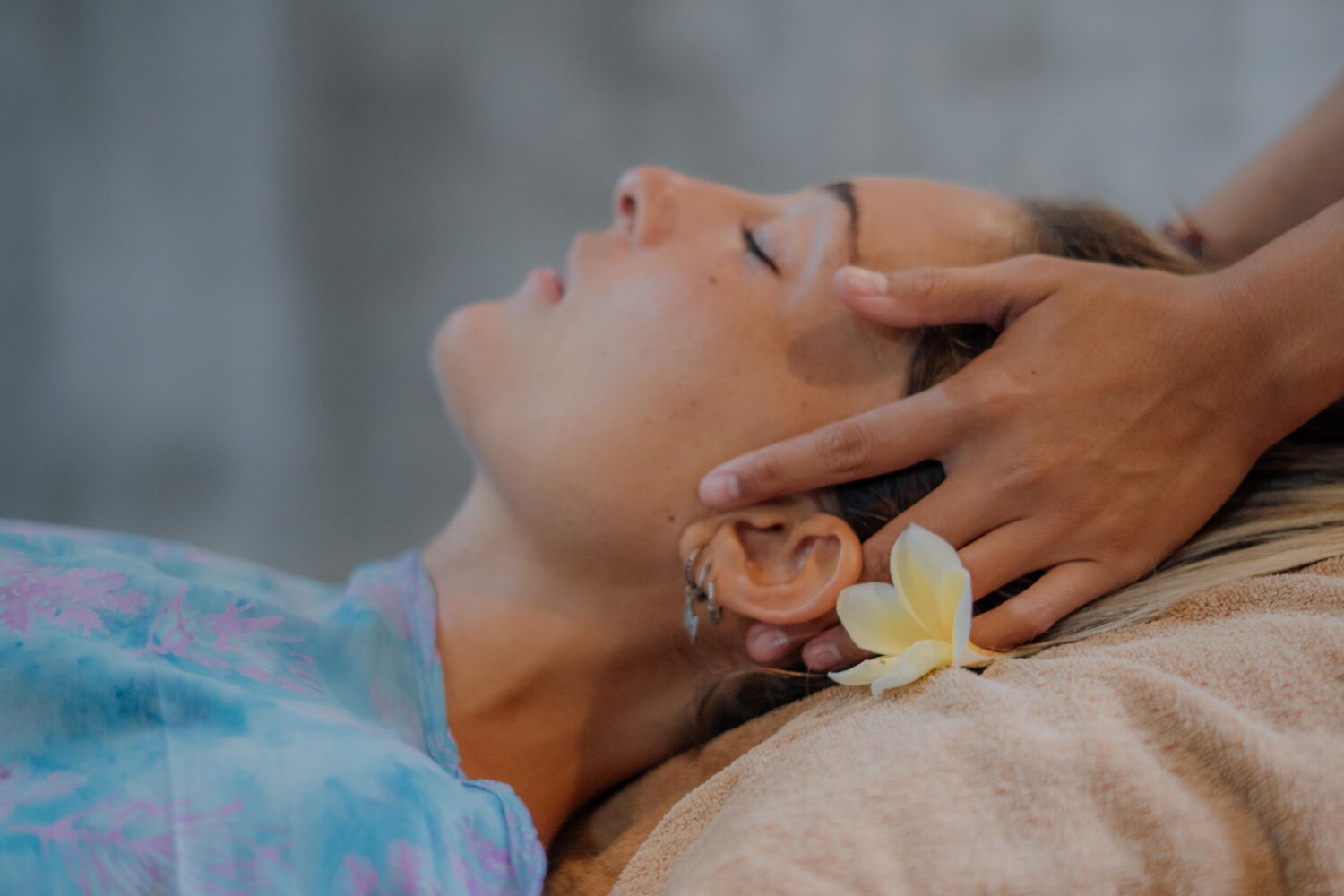
At Sang Spa in Ubud, treatments are designed to support relaxation, tension release, and emotional calm through traditional Balinese wellness practices.

Using natural oils, attentive massage techniques, and peaceful treatment spaces, the spa experience encourages guests to slow down and reconnect with their bodies. Many guests describe feeling deeply relaxed and mentally refreshed after their treatments, often highlighting the calming atmosphere and personalized care provided by therapists in their online reviews.

For travelers who feel physically tired yet mentally overstimulated, taking time for a calming wellness ritual may become an important part of restoring balance during their stay in Bali.

Conclusion

Quality sleep and deep relaxation are essential components of overall well-being. In today’s fast-paced world, many people struggle to fully disconnect from stress and overstimulation, even while traveling.

Spa experiences and traditional massage therapies can help support relaxation, emotional balance, and nervous system recovery in a natural and holistic way. In Ubud, where wellness, nature, and traditional healing culture come together, these experiences often become more than simple relaxation treatments.

For travelers seeking calm, restoration, and deeper rest, wellness experiences at Sang Spa offer an opportunity to slow down, release tension, and reconnect with a greater sense of balance and well-being.

References

Field, T. (2016). Massage therapy research review. Complementary Therapies in Clinical Practice, 24, 19–31.

Kaplan, R., & Kaplan, S. (1989). The experience of nature: A psychological perspective. Cambridge University Press.

Morin, C. M., Drake, C. L., Harvey, A. G., et al. (2015). Insomnia disorder. Nature Reviews Disease Primers, 1, 15026.

Smith, M., & Puczkó, L. (2014). Health, tourism and hospitality: Spas, wellness and medical travel (2nd ed.). Routledge.
Sang Spa – Ubud, 21 April 2026

Introduction

Searching for the best Balinese massage in Ubud can be overwhelming. With hundreds of spas available, many travellers struggle to distinguish between a truly authentic experience and a standard commercial massage. While many places offer “Balinese massage,” not all of them reflect the original techniques, philosophy, and intention behind this traditional healing practice.

This article explores what defines an authentic Balinese massage in Ubud and how to identify a spa that delivers a genuinely meaningful wellness experience.

What Is an Authentic Balinese Massage?

Balinese massage is a traditional healing method that combines acupressure, deep tissue techniques, stretching, and rhythmic strokes. Unlike generic massage styles, it is designed to restore balance between body, mind, and energy.

Authenticity in Balinese massage is not only about technique but also about intention. Traditionally, massage in Bali was part of a holistic healing system rooted in local culture, spirituality, and natural remedies.

Key Elements of Authentic Balinese Massage

  1. Therapist Skill and Intuition

A truly authentic experience depends heavily on the therapist. Skilled therapists do not follow a rigid routine; instead, they adapt pressure, rhythm, and technique based on the guest’s condition.

  1. Use of Natural Oils

Traditional Balinese massage uses plant-based oils infused with herbs and natural extracts. These oils enhance relaxation while supporting skin health and circulation.

  1. Flow and Rhythm

Authentic Balinese massage is known for its continuous flow. The movements are designed to create a seamless experience that helps the body fully relax.

  1. Holistic Experience

An authentic session is not only physical. It engages the senses—through scent, sound, and atmosphere—to support mental and emotional relaxation.

Why Many “Balinese Massages” Are Not Truly Authentic

As wellness tourism grows, many spas adopt the term “Balinese massage” for marketing purposes. However, some treatments are simplified versions that lack depth, technique, or cultural context.

Common issues include:

– Inconsistent therapist training

– Lack of proper technique

– Overly standardized routines

– Focus on speed rather than quality

This is why understanding authenticity is crucial when choosing the best spa in Ubud.

How to Find the Best Balinese Massage in Ubud

When looking for an authentic experience, consider the following:

  • Reviews mentioning therapist names and detailed experiences are often the strongest indicator of consistent service quality (refer to Sang Spa Yoga Review & Sang Spa Tropical Review ).
  • Consistency in rating and feedback
  • Clear focus on traditional techniques
  • Calm and natural environment

Reading detailed reviews can help identify whether a spa consistently delivers high-quality experiences.

The Role of Environment in the Experience

Research shows that natural environments can significantly reduce stress and improve mental recovery (Kaplan & Kaplan, 1989). In Ubud, many of the best spa experiences integrate nature into the treatment setting.

Open-air rooms, garden views, and natural sounds contribute to a deeper level of relaxation and make the massage more effective.

Why Travelers Choose Ubud for Balinese Massage

Ubud has become one of the most sought-after destinations for authentic wellness experiences. Visitors come not only for relaxation but also to reconnect with themselves.

Massage therapy has been shown to reduce stress hormones and improve overall well-being (Field, 2016). Combined with Ubud’s peaceful atmosphere, this creates a powerful wellness experience.

Experience Authentic Balinese Massage at Sang Spa

For those looking for the best Balinese massage in Ubud, Sang Spa offers treatments rooted in traditional techniques and attentive care.

Each therapist is trained to adapt treatments based on individual needs, ensuring that every session feels personal and effective. Using natural oils and a calm environment, the experience is designed to help guests release tension and restore balance.

Many guests describe their experience as deeply relaxing and personalized, often highlighting specific therapists and the overall atmosphere in their reviews (refer to Sang Spa Yoga Review & Sang Spa Tropical Review ).

If you are searching for an authentic Balinese massage in Ubud, Sang Spa provides a setting where tradition, skill, and care come together.

Conclusion

Finding the best Balinese massage in Ubud requires more than choosing a popular spa. It involves understanding what makes a treatment authentic and meaningful.

By selecting a spa that prioritizes therapist skill, natural techniques, and a holistic approach, travellers can experience the true essence of Balinese healing.

In a place like Ubud, where nature and culture are deeply connected, an authentic massage becomes more than relaxation—it becomes part of a deeper wellness journey.

References:

Field, T. (2016). Massage therapy research review. Complementary Therapies in Clinical Practice, 24, 19–31.

Kaplan, R., & Kaplan, S. (1989). The experience of nature: A psychological perspective. Cambridge University Press.


Sang Spa – Ubud, 15 April 2026

Introduction

For many travellers visiting Bali, experiencing a traditional Balinese massage is considered an essential part of their wellness journey. While often associated with relaxation, Balinese massage offers deeper benefits that go beyond simply relieving physical tension. Rooted in centuries-old healing traditions, this therapy combines physical techniques, natural ingredients, and mindful awareness to support overall well-being.

This article explores the benefits of Balinese massage and why it is considered one of the most holistic wellness experiences in Ubud.

Understanding Balinese Massage

Balinese massage is a traditional healing practice that integrates a variety of techniques, including gentle stretching, acupressure, long strokes, and deep tissue work. These methods are designed to improve circulation, release muscle tension, and restore balance within the body.

Unlike some Western massage styles that focus primarily on physical relief, Balinese massage incorporates a holistic approach that addresses both physical and mental well-being. The use of aromatic oils and rhythmic movements helps create a deeply calming experience that encourages relaxation and mindfulness.

Physical Benefits of Balinese Massage

One of the primary benefits of Balinese massage is its ability to relieve muscle tension and improve blood circulation. The combination of pressure and movement helps stimulate the flow of oxygen and nutrients throughout the body.

Research has shown that massage therapy can reduce cortisol levels, which are associated with stress, while increasing serotonin and dopamine levels that contribute to improved mood (Field, 2016). These physiological effects support both immediate relaxation and longer-term well-being.

In addition, regular massage can help reduce physical discomfort caused by travel fatigue, prolonged sitting, or physical activity. For travellers exploring Ubud’s natural landscapes, a massage can be an effective way to restore energy and prevent muscle soreness.

Mental and Emotional Benefits

Beyond physical relief, Balinese massage plays an important role in supporting mental and emotional balance. The calming environment, combined with slow and intentional movements, allows the mind to relax and disengage from daily stress.

Studies on restorative environments suggest that relaxation experiences can improve cognitive function and emotional regulation (Kaplan & Kaplan, 1989). In the context of wellness tourism, this makes spa treatments an important component of a balanced travel experience.

Many visitors report feeling more grounded, calm, and mentally refreshed after a massage session, as reflected in their shared experiences online. This sense of mental clarity is one of the reasons why wellness travellers are increasingly drawn to destinations like Ubud. This is also commonly reflected in guest feedback, where many visitors report feeling mentally refreshed and emotionally balanced after their sessions (refer to Sang Spa Yoga Review & Sang Spa Tropical Review ).

The Role of Natural Ingredients

Traditional Balinese massage often incorporates natural oils derived from local plants and herbs. These oils not only enhance the massage experience but also provide additional therapeutic benefits, such as improving skin hydration and promoting relaxation through aromatherapy.

The use of natural ingredients reflects the broader philosophy of Balinese healing, which emphasizes harmony between humans and nature. This connection enhances the authenticity of the experience and contributes to its overall effectiveness.

Why Balinese Massage Is Different in Ubud

While Balinese massage can be found in many parts of the world, experiencing it in Ubud offers a unique context. The natural surroundings, cultural atmosphere, and traditional knowledge all contribute to a more meaningful and immersive experience.

Spas in Ubud often integrate elements of nature into their treatment spaces, allowing guests to relax while surrounded by tropical landscapes. This environment enhances the therapeutic effects of the massage and creates a deeper sense of connection and calm.

Experiencing Balinese Massage at Sang Spa

At Sang Spa, Balinese massage is performed with a focus on authenticity and attentive care. Therapists are trained in traditional techniques and adapt each treatment to the needs of the guest.

Using natural oils and carefully applied pressure, each session is designed to promote relaxation, relieve tension, and restore balance. The peaceful setting of the spa allows guests to fully immerse themselves in the experience and enjoy the benefits of traditional Balinese healing practices.

For many visitors, this experience becomes more than just a treatment—it becomes a moment of reconnection with the body and mind.

Conclusion

Balinese massage offers a comprehensive approach to wellness that combines physical relief with mental and emotional restoration. Its unique blend of techniques, natural ingredients, and cultural philosophy makes it one of the most valuable experiences for travellers seeking relaxation and balance.

In Ubud, where nature and tradition come together, this experience becomes even more meaningful. For those looking to enhance their wellness journey in Bali, a Balinese massage is not only a relaxing activity but also an opportunity to experience the deeper essence of Balinese healing culture.


References:

Field, T. (2016). Massage therapy research review. Complementary Therapies in Clinical Practice, 24, 19–31.

Kaplan, R., & Kaplan, S. (1989). The experience of nature: A psychological perspective. Cambridge University Press.


Sang Spa – Ubud, 1 April 2026


Introduction

Ubud has long been known as the cultural and spiritual heart of Bali. Surrounded by lush tropical forests, rice terraces, and sacred temples, the town offers a unique atmosphere that encourages relaxation and self-reflection. For many travelers visiting Bali, spending time in a spa is one of the most memorable experiences in Ubud.

Unlike spa experiences in large cities, wellness activities in Ubud are deeply connected to Balinese culture, nature, and traditional healing philosophies. Visitors come not only to relax their bodies but also to restore mental clarity and emotional balance.

In this article, we explore why Ubud has become one of the world’s most recognized wellness destinations and why a spa experience here is unlike any other.

Ubud as a Global Wellness Destination

Over the past two decades, Ubud has developed a reputation as a global center for wellness tourism. Travelers from around the world come to experience yoga retreats, meditation programs, holistic therapies, and traditional Balinese healing practices.

Wellness tourism has become one of the fastest-growing sectors in global travel, with many people seeking destinations that support physical, mental, and emotional well-being (Smith & Puczkó, 2014). Ubud’s peaceful environment and strong cultural traditions make it an ideal place for these experiences.

Many visitors describe their time in Ubud as more than a holiday. Instead, it becomes an opportunity to reconnect with themselves and slow down from the fast pace of modern life.

The Connection Between Nature and Healing

One of the most distinctive aspects of Ubud is its natural environment. Unlike coastal tourist areas, Ubud is surrounded by forests, rivers, and rice fields that create a calm and grounding atmosphere.

Scientific research has shown that natural environments can reduce stress levels and support mental recovery (Kaplan & Kaplan, 1989). Spending time in peaceful landscapes can help restore attention, improve mood, and promote relaxation.

Because of this, many wellness centers and spas in Ubud are designed to integrate nature into the healing experience. Treatments are often performed in open-air spaces where guests can hear the sounds of flowing water, birds, and the surrounding jungle.

Traditional Balinese Healing Practices

Balinese wellness traditions combine physical therapies with spiritual and energetic practices. Local healers have long believed that true well-being comes from harmony between the body, mind, and spirit.

Traditional spa treatments in Bali often include elements such as herbal oils, massage techniques, and ritual practices inspired by ancient cultural traditions. These treatments aim to stimulate circulation, release muscle tension, and restore energetic balance.

Massage therapy has been shown to support relaxation and reduce stress hormones, contributing to improved overall well-being (Field, 2016). In Bali, these benefits are combined with cultural rituals that make the experience more meaningful for many visitors.

Why Spa Experiences in Ubud Feel Different

Many travelers notice that spa experiences in Ubud feel more personal and intentional compared to spa services in busy cities. This is often reflected in guest reviews, where visitors frequently mention the attentiveness of therapists and the calming atmosphere experienced during their treatments (refer to Sang Spa Yoga Review & Sang Spa Tropical Review ). Rather than focusing only on luxury, many wellness centers in Ubud emphasize mindfulness, relaxation, and connection to local traditions.

Guests are often encouraged to slow down, breathe deeply, and fully enjoy the moment. The atmosphere, combined with traditional healing techniques, creates an experience that supports both physical relaxation and emotional balance.

For travelers who have spent days exploring temples, hiking through rice fields, or practicing yoga, a spa treatment in Ubud becomes the perfect way to restore energy and maintain well-being throughout their journey.

Experiencing Balinese Wellness at Sang Spa

For visitors seeking an authentic spa experience in Ubud, Sang Spa offers treatments inspired by traditional Balinese healing practices. Located in a peaceful setting, Sang Spa provides a calm environment where guests can relax and experience the therapeutic benefits of traditional spa rituals.

Each treatment is designed to help guests release tension, restore balance, and reconnect with their bodies. Using natural oils, traditional massage techniques, and attentive care, the spa experience reflects the essence of Balinese hospitality and healing culture. Many guests have shared their experiences online, often highlighting the consistency of service and the personalized care provided by therapists (refer to Sang Spa Yoga Review & Sang Spa Tropical Review ).

Whether you are visiting Ubud for a short holiday or a longer wellness journey, taking time to experience a traditional spa treatment can become one of the highlights of your stay.

Conclusion

Ubud’s unique combination of nature, culture, and spiritual traditions makes it one of the most special wellness destinations in the world. A spa experience here offers more than physical relaxation-it provides an opportunity to reconnect with yourself and experience the healing atmosphere of Bali.

For many travelers, a visit to Ubud would not be complete without taking time to enjoy a traditional spa treatment. At Sang Spa, guests are welcomed into a peaceful environment where relaxation, balance, and well-being are the central focus.

References:

Field, T. (2016). Massage therapy research review. Complementary Therapies in Clinical Practice, 24, 19–31.

Kaplan, R., & Kaplan, S. (1989). The experience of nature: A psychological perspective. Cambridge University Press.

Smith, M., & Puczkó, L. (2014). Health, tourism and hospitality: Spas, wellness and medical travel (2nd ed.). Routledge.