SangSpa Logo

Relaxation is a complete sequence

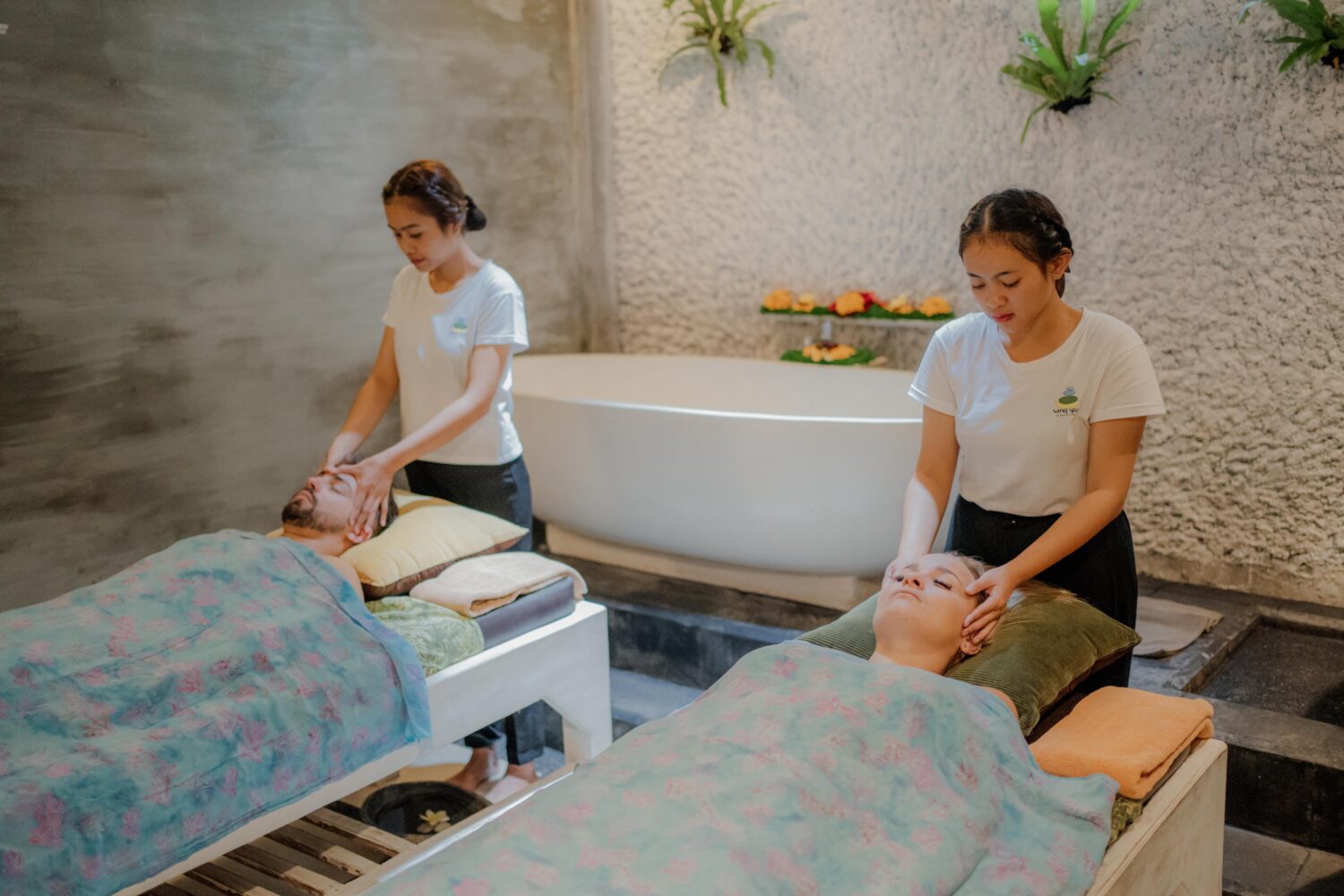
A spa massage begins before the first movement and continues after the treatment ends. The journey includes choosing a suitable location, arriving without rushing, communicating pressure preferences, settling into a calm room, receiving the massage, and allowing time to re-enter the day. Sang Spa shapes this sequence through two Ubud sanctuaries, a broad treatment menu, and a reservation process that helps guests prepare.

Choose the massage style

Traditional Balinese massage offers a flowing full-body rhythm and is a clear starting point for many visitors. Combination massage adds reflexology. Tension-relief treatments focus on areas such as the back, neck, and shoulders. Hot-stone massage introduces warmth, while four-hands massage creates a more immersive coordinated pattern. Each format feels different, and pressure should always be adjusted for comfort.

Extend the experience with body care

A massage can stand alone or become the first stage of a longer ritual. Body scrubs and masks create a skin-care sequence, while flower baths provide a private, visually calming transition. Facial or hair treatments can be added when you want a half-day of self-care rather than one appointment. Current package names and inclusions should be confirmed before booking.

Two Sang Spa atmospheres

Sang Spa & Yoga in Jembawan is a quiet village sanctuary connected with yoga and holistic practice. Sang Spa Tropical in Pengosekan uses lush garden surroundings and a nature-led atmosphere. Both locations feature private treatment spaces, while facilities and treatment availability may vary.

What helps you relax

  • Arrive early enough to stop thinking about traffic and timing.
  • Put your phone away instead of keeping it within sight.
  • Tell the therapist which areas feel sensitive and what pressure you prefer.
  • Breathe naturally and speak up if temperature, position, or pressure is uncomfortable.
  • Leave a quiet buffer after the appointment.

Responsible expectations

Spa massage can support rest and help a tired body feel more comfortable, but responses differ. It is not a substitute for medical assessment or treatment. Share pregnancy, injuries, recent surgery, allergies, and other relevant concerns before the session. If you have significant or unexplained pain, seek qualified clinical advice.

For solo guests and couples

Solo guests can choose a focused treatment or build a longer personal ritual. Couples may ask about shared rooms and packages that combine massage, body care, flower baths, or hair care. Two people do not need identical pressure or even identical treatments; comfort should remain individual within the shared experience.

Make it part of your Ubud day

Schedule the spa after a walk, workshop, or travel day rather than before a tight commitment. Choose a calm meal or gentle activity afterward. For a deeper pause that includes movement and sound, consider the guided Healing Retreat.

Start your Sang Spa journey

Explore the complete treatment guide, compare both branches, and send a booking request with your preferred date, time, number of guests, and treatment interest. A complete relaxation experience comes from the fit between treatment, atmosphere, communication, and the time you allow yourself to receive it.

Questions to confirm before arrival

Ask whether shower time is included, what clothing or disposable garments are provided, and whether the treatment uses oil. Confirm the total time you should allow, not only the hands-on massage duration. For longer packages, ask when refreshments or breaks occur.

If you are booking for a group, send all names and treatment preferences together. This helps the branch confirm therapist and room availability and reduces last-minute changes.

After the treatment

Stand up gradually and take a moment before walking out. Follow any practical advice from the therapist that is appropriate to the treatment, but be cautious of absolute detox or healing claims. If you feel unwell, communicate immediately. A responsible spa experience includes a calm and honest closing.
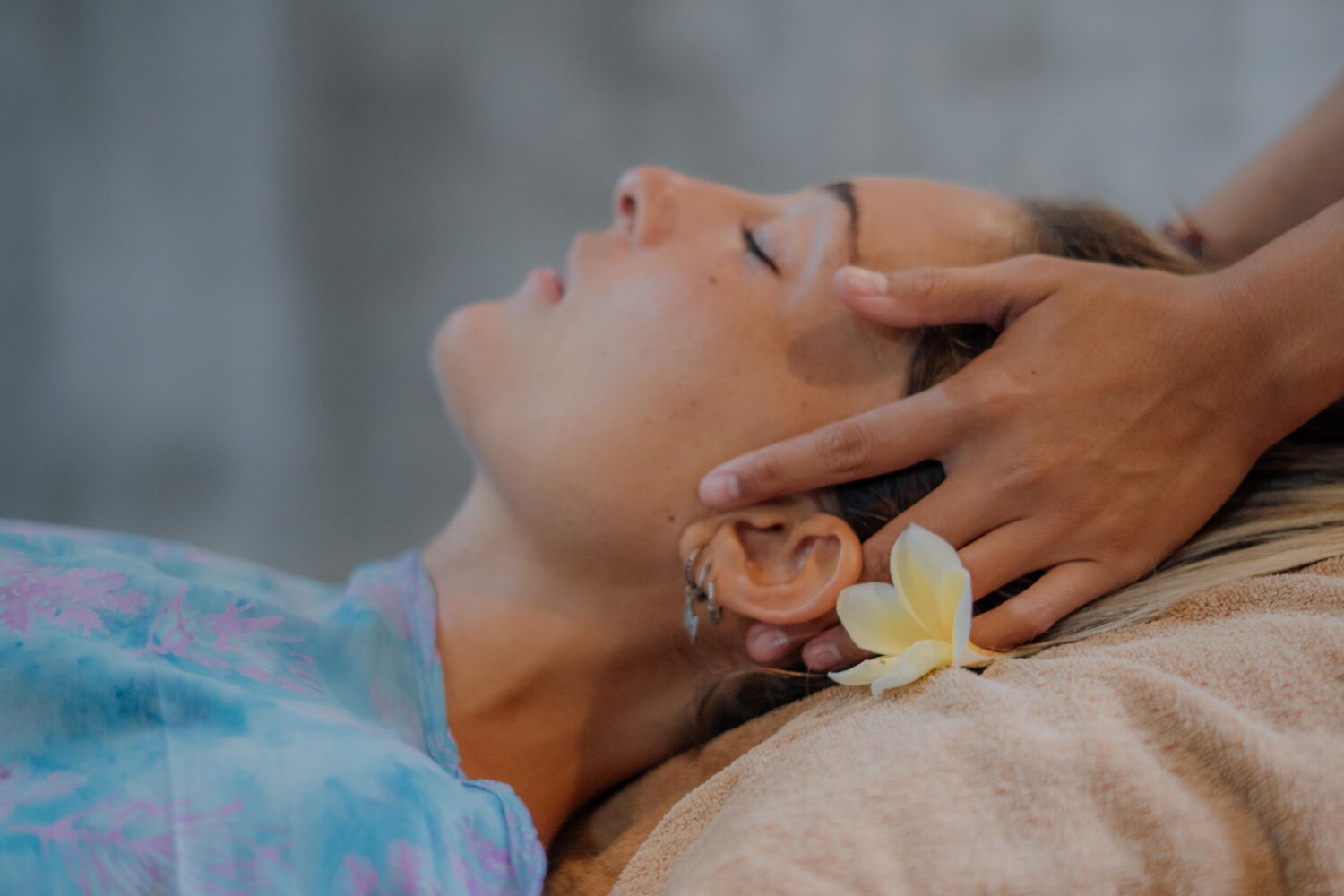
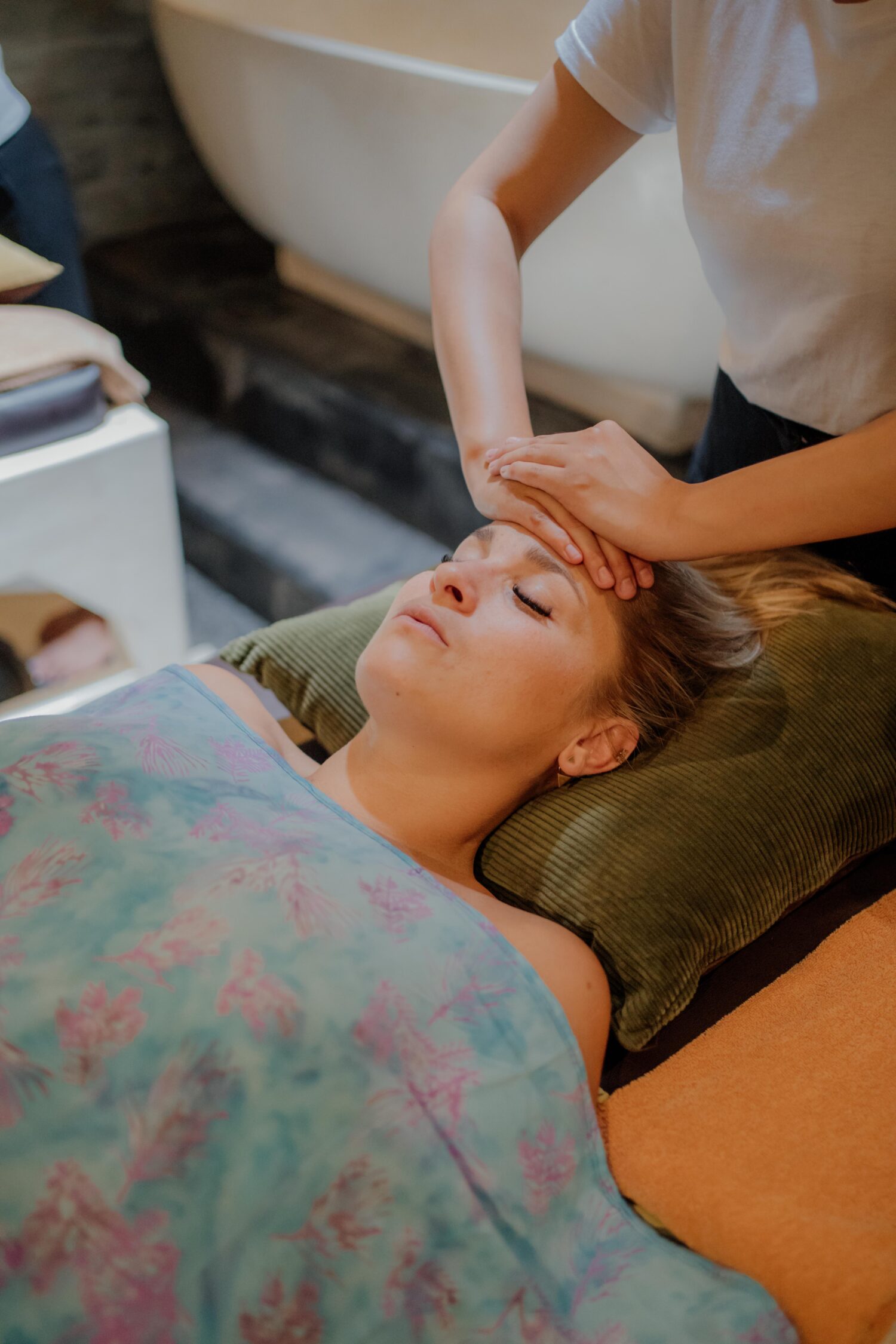
Sentuhan yang lembut dapat menjadi bagian dari ritual perawatan wajah

Massage wajah sering dipilih karena terasa menenangkan dan membantu menciptakan waktu khusus untuk merawat diri. Manfaat utamanya dalam konteks spa adalah relaksasi, kenyamanan, dan pengalaman perawatan yang lebih menyeluruh. Tekniknya perlu dilakukan dengan lembut, menggunakan tangan bersih dan produk yang memberi cukup slip agar kulit tidak tertarik.

Persiapan sebelum massage

Bersihkan wajah dan tangan terlebih dahulu. Lepaskan riasan, lalu gunakan pembersih yang sesuai kondisi kulit. Setelah wajah dikeringkan dengan cara ditepuk, aplikasikan pelembap, gel, krim, atau minyak wajah yang memang cocok digunakan untuk massage. Jangan mencoba bahan baru tepat sebelum acara penting atau ketika kulit sedang sangat sensitif.

Langkah dasar massage wajah

  • Mulai dari pernapasan: rilekskan bahu dan ambil beberapa napas perlahan.
  • Dahi: gerakkan ujung jari dari bagian tengah ke arah pelipis dengan tekanan ringan.
  • Pipi: usap perlahan dari sisi hidung menuju telinga tanpa menarik kulit.
  • Rahang: ikuti garis rahang dari dagu ke arah luar dengan gerakan stabil.
  • Leher: gunakan sentuhan lembut dan hindari tekanan langsung pada bagian depan leher.

Lakukan setiap gerakan secara perlahan beberapa kali, bukan dengan kecepatan atau tekanan berlebihan. Area sekitar mata memerlukan sentuhan yang sangat ringan. Hentikan massage bila kulit terasa panas, gatal, nyeri, atau semakin merah.

Kapan massage sebaiknya dihindari

Hindari massage langsung pada luka, infeksi, jerawat yang sangat meradang, kulit terbakar matahari, atau area yang baru menjalani prosedur kosmetik. Bila Anda memiliki kondisi kulit tertentu, sedang menggunakan obat resep, atau tidak yakin terhadap produk yang dipakai, konsultasikan dengan dokter atau tenaga profesional yang sesuai.

Gabungkan dengan rutinitas yang sederhana

Massage bukan pengganti pembersihan, pelembap, dan perlindungan matahari. Jadikan massage sebagai tambahan yang singkat dan nyaman, bukan langkah wajib yang harus dilakukan lama setiap hari. Gunakan produk sesuai petunjuk, cukup tidur, jaga asupan cairan, dan hindari sering menyentuh wajah dengan tangan yang belum dibersihkan.

Pengalaman facial di Sang Spa

Di Sang Spa, facial menjadi bagian dari pilihan perawatan bersama massage tubuh, body care, dan hair spa. Tamu dapat memilih facial sebagai sesi tersendiri atau memasukkannya ke dalam paket yang lebih panjang. Sebelum treatment, sampaikan jenis kulit, sensitivitas, alergi, produk aktif yang sedang digunakan, dan riwayat tindakan kosmetik terbaru.

Ciptakan momen self-care di Ubud

Suasana tenang, ruang privat, dan ritme yang tidak terburu-buru dapat membuat perawatan wajah terasa lebih bermakna. Jelajahi daftar treatment Sang Spa, pilih Sang Spa & Yoga atau Sang Spa Tropical, lalu konfirmasikan pilihan facial yang tersedia kepada tim. Perawatan yang baik dimulai dari komunikasi yang jujur dan ekspektasi yang realistis.

Frekuensi tidak perlu berlebihan

Massage wajah singkat dapat dilakukan sesekali sebagai bagian dari rutinitas, tetapi kulit tidak perlu ditekan atau dimanipulasi lama setiap hari. Mulailah dengan durasi beberapa menit dan lihat respons kulit. Pada kulit sensitif, frekuensi yang lebih jarang dan gerakan yang lebih sederhana sering kali lebih nyaman.

Alat seperti roller atau gua sha juga memerlukan slip yang cukup, kebersihan, dan tekanan ringan. Alat bukan keharusan. Tangan yang bersih dan teknik sederhana sudah memadai untuk tujuan relaksasi.

Jaga kebersihan alat dan kain

Cuci tangan sebelum menyentuh wajah, bersihkan alat setelah digunakan, dan jangan berbagi alat tanpa sanitasi yang tepat. Gunakan handuk wajah yang bersih dan ganti sarung bantal secara teratur. Kebersihan sederhana membantu mengurangi perpindahan minyak, kotoran, dan sisa produk ke kulit.

Jika dilakukan di spa, perhatikan bagaimana terapis menjelaskan produk, meminta persetujuan, dan menyesuaikan sentuhan. Anda tetap dapat meminta tekanan dikurangi atau menghentikan langkah yang terasa tidak nyaman.

Sesudah massage, biarkan produk meresap dan hindari menggosok wajah. Bila kulit terasa nyaman, lanjutkan rutinitas sederhana seperti biasa. Bila muncul reaksi yang menetap, hentikan produk baru dan cari saran profesional. Tujuan utama massage adalah kenyamanan, bukan perubahan instan pada bentuk atau usia kulit.

“Best massage near me” starts with the right fit

Searching for the best massage near you in Ubud can produce dozens of results, but “best” is personal. A traveller recovering from a long flight may want a flowing full-body massage. Someone returning from a trek may prefer focused tension relief. A couple may value a private shared room, while another guest may want a quiet facial or a longer body-care ritual. The useful question is not which spa makes the biggest claim, but which experience fits your body, schedule, and expectations.

Why travellers consider Sang Spa

Sang Spa offers two distinct Ubud locations, a broad treatment menu, and a visual identity built around calm, natural surroundings, and Balinese-inspired care. Sang Spa & Yoga on Jl. Jembawan has a peaceful village character. Sang Spa Tropical on Jl. Raya Pengosekan offers a lush garden-led setting. Guests can choose the atmosphere that is more convenient or appealing rather than being limited to one type of room.

A menu for different kinds of rest

The current collection includes traditional Balinese massage, combination massage with reflexology, hot-stone work, tension-relief massage, four-hands massage, body scrubs and masks, flower baths, facial treatments, hair spa, couple packages, and selected sound or crystal-focused experiences. Longer packages allow guests to combine several forms of care in one visit.

  • For first-time guests: traditional Balinese massage offers a clear introduction.
  • For travel fatigue: discuss tension relief, reflexology, or a full-body option.
  • For self-care: combine massage with a scrub, facial, or hair treatment.
  • For couples: ask about a shared room and current couple packages.
  • For a deeper pause: consider the guided Healing Retreat.

Professional booking matters

A good experience begins before arrival. Sang Spa’s reservation flow asks for the location, treatment, date, time, and number of guests, then hands the request to the team for confirmation. This makes it possible to clarify availability and practical details. Guests should still wait for final confirmation before changing other travel plans.

Comfort and communication

Tell the therapist whether you prefer light, medium, or firmer pressure, and speak up if anything feels uncomfortable. Share relevant allergies, pregnancy, injuries, or medical concerns before treatment. Massage and spa care can be relaxing, but they are not a substitute for diagnosis or medical treatment.

Judge the whole experience

Cleanliness, privacy, punctuality, atmosphere, and respectful communication matter as much as technique. The reference Sang Spa design highlights treatment rooms, tropical gardens, couple spaces, salon areas, and quiet transitions. Those details support the feeling that the visit has been considered as a complete journey rather than a single service.

Find your own best match

Start with the Sang Spa treatment guide, compare the two branches, and choose the amount of time you can enjoy without rushing. Send a booking request with clear preferences. The “best” massage is the one that is well matched, responsibly delivered, and leaves you feeling that your time in Ubud included a genuine pause.

Use location without letting it make the whole decision

“Near me” is helpful when you are tired or have limited transport time, but a few extra minutes may be worthwhile for the treatment or atmosphere you prefer. Check the branch address, estimated travel time, and appointment availability together. Ubud traffic can change quickly, so leave a buffer.

When comparing prices, confirm duration, taxes, inclusions, and whether the treatment is for one person or a couple. Value is clearer when you compare the same kind of experience rather than only the headline number.

Save the details for a return visit

When a treatment suits you, note the branch, treatment name, therapist communication style, and preferred pressure. These details are more useful than remembering only that the massage was “good.” A future booking becomes easier when you can describe what worked and what you would adjust.

Perawatan wajah yang konsisten lebih penting daripada langkah yang berlebihan

Wajah yang tampak segar dan terawat tidak hanya ditentukan oleh satu produk atau satu kali facial. Kebiasaan sehari-hari yang lembut, teratur, dan sesuai kondisi kulit biasanya lebih masuk akal daripada mencoba banyak langkah sekaligus. Sang Spa mengajak tamu melihat perawatan wajah sebagai bagian dari ritual self-care: membersihkan dengan baik, menjaga kelembapan, melindungi kulit dari paparan matahari, dan memberi waktu untuk beristirahat.

Mulai dari pembersihan yang lembut

Bersihkan wajah pada pagi dan malam hari dengan produk yang sesuai jenis kulit. Hindari menggosok terlalu keras, terutama saat kulit terasa kering, sensitif, atau sedang berjerawat. Saat menghapus riasan, lakukan secara bertahap agar tidak perlu menarik kulit berulang kali. Gunakan air dengan suhu nyaman, lalu keringkan dengan cara menepuk menggunakan handuk bersih.

Jaga kelembapan dan perlindungan

Pelembap membantu menjaga kenyamanan lapisan kulit, termasuk pada kulit yang cenderung berminyak. Pilih tekstur yang ringan atau lebih kaya sesuai kebutuhan. Pada siang hari, gunakan pelindung matahari dan aplikasikan ulang mengikuti petunjuk produk, terutama bila banyak beraktivitas di luar ruangan. Perlindungan matahari merupakan bagian penting dari perawatan penampilan kulit dalam jangka panjang.

Massage wajah secara hati-hati

Massage wajah dapat menjadi momen relaksasi bila dilakukan dengan tekanan ringan dan tangan yang bersih. Gunakan produk yang memberi cukup slip agar jari tidak menarik permukaan kulit. Gerakkan tangan perlahan dari bagian tengah wajah ke arah luar, lalu lanjutkan ke rahang dan leher dengan sentuhan lembut. Hindari area yang meradang, luka, baru menjalani tindakan kosmetik, atau terasa nyeri.

  • Mulai dengan napas yang tenang dan bahu rileks.
  • Gunakan ujung jari, bukan kuku.
  • Jaga tekanan tetap ringan dan nyaman.
  • Hentikan bila muncul rasa panas, gatal, atau iritasi.

Perhatikan gaya hidup

Tidur yang cukup, asupan cairan, makanan yang seimbang, aktivitas fisik, serta pengelolaan stres dapat memengaruhi bagaimana kulit terlihat dan terasa. Tidak ada satu kebiasaan yang menjamin wajah selalu tampak muda, tetapi rutinitas yang realistis membantu menjaga penampilan tetap terawat. Hindari klaim instan dan beri waktu pada kulit untuk beradaptasi saat mengganti produk.

Kapan memilih facial profesional

Facial dapat menjadi tambahan yang menyenangkan ketika Anda ingin pembersihan, massage, dan masker dalam suasana tenang. Sang Spa menyediakan pilihan facial di kedua lokasi Ubud. Tanyakan bahan yang digunakan, jelaskan sensitivitas atau alergi, dan sampaikan bila Anda menggunakan obat kulit atau baru menjalani prosedur tertentu. Facial spa ditujukan untuk perawatan dan relaksasi, bukan menggantikan konsultasi dokter kulit.

Ritual perawatan di Ubud

Gabungkan perawatan wajah dengan massage tubuh, hair spa, atau ritual yang lebih panjang bila Anda ingin pengalaman self-care yang menyeluruh. Lihat daftar treatment Sang Spa, bandingkan suasana Sang Spa & Yoga dan Sang Spa Tropical, lalu konfirmasikan pilihan serta kondisi kulit kepada tim sebelum reservasi.

Bangun rutinitas yang mudah dipertahankan

Mulailah dari tiga langkah utama: membersihkan, melembapkan, dan melindungi kulit pada siang hari. Tambahkan produk lain hanya bila ada kebutuhan yang jelas dan kulit dapat mentoleransinya. Catat perubahan selama beberapa minggu agar Anda tidak menilai hasil hanya dari satu atau dua hari.

Bila muncul iritasi berulang, jerawat berat, perubahan warna yang mengkhawatirkan, atau keluhan yang tidak membaik, jangan terus menambah produk. Hentikan bahan yang dicurigai dan minta penilaian tenaga kesehatan yang kompeten.

Evaluasi produk dengan realistis

Periksa tanggal kedaluwarsa, cara penyimpanan, dan petunjuk penggunaan. Jangan mencampur banyak bahan aktif tanpa memahami risikonya. Saat mencoba produk baru, lakukan secara bertahap dan pertimbangkan uji tempel sesuai anjuran. Perubahan kulit memerlukan waktu; hasil yang terlalu cepat sering kali berasal dari pencahayaan, riasan, atau efek sementara.

Untuk hasil yang lebih personal, bawa daftar produk yang biasa digunakan saat berkonsultasi atau melakukan facial. Informasi tersebut membantu terapis memahami rutinitas Anda dan menghindari saran yang bertentangan dengan kondisi kulit yang sudah diketahui.

Konsistensi.

Wellness as balance, not excess

Authentic Balinese wellness is often understood most clearly through balance: activity and rest, inner attention and outward care, tradition and the needs of the present day. At Sang Spa, this philosophy appears in the choice of natural surroundings, the pacing of treatments, the use of touch, and the invitation to reconnect with breath and body rather than rush toward a dramatic result.

The name “Sang” is described by the brand as an old sacred mantra connected with balanced heart energy. Sang Spa also explains that its treatment approach was shaped by a yogi founder and by attention to pressure points and the flow of body energy. These ideas should be approached respectfully as part of the spa’s wellness tradition, not as a replacement for medical diagnosis or care.

The sanctuary matters

In Balinese-inspired wellbeing, the environment is not decoration added after the treatment. It helps establish the rhythm of the experience. Sang Spa’s two Ubud locations express that idea differently. Sang Spa & Yoga offers a quiet village sanctuary in Jembawan, while Sang Spa Tropical uses lush garden surroundings in Pengosekan. Both use natural materials, private spaces, and visual calm to help guests transition away from the speed of travel and daily obligations.

Touch with intention

Traditional Balinese massage is not presented simply as a sequence of techniques. The experience begins with welcome, preparation, and communication about comfort. Flowing strokes, pressure, and focused work may be adapted to the guest’s preference. The purpose is a coherent ritual of relaxation and body awareness, not a guarantee to cure pain or illness.

Other treatments extend the same principle. Reflexology focuses attention on the feet and lower legs. Hot-stone work introduces warmth. Body scrubs and masks create a slower care ritual for the skin. Flower baths add privacy and visual beauty. Facial and hair treatments allow guests to choose gentler forms of care. Sound and crystal-focused sessions shift attention from physical pressure to vibration, listening, and stillness.

Ritual without performance

An authentic experience does not need to overwhelm guests with symbols. Respect can be shown through restraint: explaining what will happen, avoiding exaggerated spiritual claims, using local references thoughtfully, and allowing silence to remain silence. The most meaningful ritual may be very simple—a foot wash, a clear intention, a carefully paced treatment, and time to rest afterward.

How guests can participate respectfully

  • Arrive on time and enter the space calmly.
  • Share pressure preferences and relevant health information honestly.
  • Ask questions when a treatment name or ritual is unfamiliar.
  • Allow the experience to be personal rather than chasing a predetermined reaction.
  • Respect staff, local customs, and the quiet of other guests.

Continue the journey

Learn more about the brand on the About Sang Spa page, explore the complete treatment collection, or consider the guided Healing Retreat for a longer sequence of movement, sound, and reflection. A thoughtful booking begins with choosing the atmosphere and level of intensity that genuinely suit you.

Tradition can remain alive and practical

Respecting tradition does not mean freezing it. A contemporary spa must also provide clear hygiene, accessible booking, informed consent, and communication for international guests. The strongest expression of authenticity is often the ability to carry a philosophy of balance into modern service without turning it into spectacle.

Guests can support that approach by choosing curiosity over assumptions. Ask what a ritual means, listen to the explanation, and allow the team to distinguish brand tradition from broader Balinese religious practice. This creates a more honest exchange for both visitor and host.

Let the philosophy guide the schedule

Balance can be practical: do not place a five-hour wellness experience inside an overloaded day, and do not choose a strong treatment when you want gentleness. Match the ritual to your energy, communicate clearly, and leave room for rest afterward. The schedule should support the philosophy rather than contradict it.

Take home a story, not just an object

Ubud offers more souvenirs than most travellers could fit into a suitcase. Market stalls, small studios, galleries, village workshops, and independent shops sell textiles, carvings, ceramics, jewellery, paintings, herbal products, coffee, tea, spices, and everyday objects made with remarkable skill. The best purchase is not always the most polished one. It is the item whose maker, material, and use you understand.

A thoughtful souvenir can keep a memory of Bali alive without turning culture into a theme. Ask where an item was made, who made it, and how it should be cared for. A seller may not always have a detailed answer, but the question itself helps distinguish a locally produced piece from mass-made stock carrying a generic Bali label.

Ideas with a sense of place

  • Textiles: look for batik, weaving, or naturally textured cloth from a seller who can explain the technique and origin.
  • Ceramics and tableware: useful pieces can bring a quiet reminder of Ubud into daily routines.
  • Wood and fibre craft: choose well-finished objects from responsible sources and check import restrictions.
  • Art and prints: smaller works from local artists are easier to transport and often more personal than generic décor.
  • Tea, coffee, cacao, and spices: sealed, labelled products are usually simpler to pack and declare at customs.
  • Botanical body care: read the ingredient list, expiry information, and usage instructions rather than buying on scent alone.

Buy with curiosity and respect

Bargaining is common in some markets, but it should remain a respectful conversation. A low price is not automatically a good outcome if it leaves no room for fair labour. In fixed-price studios and shops, the price may reflect design, finishing, rent, packaging, or a more traceable supply chain. Compare thoughtfully instead of assuming every seller operates in the same way.

Sacred objects require particular care. Temple items, masks, textiles, and symbols can have meanings that are not obvious to visitors. Ask whether an object is made for everyday decorative use or carries ceremonial significance. Avoid buying wildlife products, coral, protected wood, antiquities of uncertain origin, or anything a seller cannot legally explain.

Wellness souvenirs without exaggerated promises

Ubud’s wellness culture makes oils, incense, herbal blends, scrubs, and teas popular gifts. These can be enjoyable, but natural does not mean risk-free. Check allergens, instructions, and packaging. Products that imply they can cure illness or replace professional care deserve caution, especially when labels do not identify the maker or ingredients clearly.

For liquids and oils, consider airline baggage rules. For plant material, seeds, food, wood, and animal-derived products, check the destination country’s customs and biosecurity requirements before buying. A beautiful purchase is not useful if it is confiscated or creates an environmental risk.

Pack for the journey home

Ask for minimal but protective packaging. Wrap ceramics in clothing, place oils in a sealed bag, keep receipts for higher-value art, and photograph fragile items before they are packed. If a studio offers shipping, confirm insurance, tracking, customs responsibility, and what happens if the item arrives damaged.

Leave enough suitcase space before your final day. Last-minute shopping often leads to rushed decisions and excess packaging. A short list—one practical item, one gift, and one piece you genuinely love—can be more satisfying than a bag of objects chosen because they were inexpensive.

A memory connected to wellbeing

Not every memory needs to be purchased. A photo from a rice-field walk, a recipe written after a cooking class, or the habit of taking ten quiet minutes each morning may travel home more easily than any object. A spa visit can be remembered in the same way: through the feeling of slowing down rather than trying to recreate every scent and detail.

Before leaving Ubud, you may choose a treatment at Sang Spa & Yoga or Sang Spa Tropical, then continue exploring local makers with a rested mind. For more ideas about wellness and Ubud, visit the Sang Spa journal. Bring home what has meaning, and let the rest remain part of the place that inspired it.

A small offering with a large meaning

Visitors to Bali often notice small woven trays placed at entrances, shrines, courtyards, and along the street. These are commonly known as canang sari. Made with natural materials and arranged with care, they are daily Hindu Balinese offerings. Their meaning cannot be reduced to decoration: they are part of an active spiritual practice expressing gratitude, balance, and devotion.

For travellers, the most respectful response is simple. Notice without interfering. Walk around offerings when possible, avoid stepping on them deliberately, and ask permission before taking close photographs of people praying or preparing them. A canang sari is not a tourist prop, and its presence should never be used to make a business appear “more Balinese” without understanding the responsibility that comes with it.

Gratitude as a daily practice

The word sari can refer to essence, while canang names the small palm-leaf arrangement. The composition and use of offerings can vary by context, family, and ceremony. Flowers, leaves, food, and incense may be included, but the visible materials are only one part of the act. Time, intention, prayer, and the relationship between people and the sacred are equally important.

This is one reason canang sari can offer visitors a thoughtful lesson without becoming something to copy casually. Gratitude in Bali is often expressed through repeated daily action. It is not reserved for a perfect moment. It appears in the middle of work, family life, traffic, weather, and ordinary routines.

How this relates to the Sang Spa experience

Sang Spa is a wellness business, not a temple or religious authority. We do not claim that a massage reproduces a sacred ritual. What we can do is let the values of care, respect, and gratitude influence how guests are received. A calm welcome, a prepared room, attentive touch, and thanks offered sincerely at the end of a visit are small human practices that matter.

The spa environment shown across our Ubud sanctuaries is shaped by tropical nature, quiet transitions, and a slower rhythm. These elements can help guests become more present, but they should not be confused with spiritual guarantees. The experience remains a professional spa service informed by local hospitality and respect for the culture around it.

Respectful behaviour for visitors

  • Do not move or rearrange an offering for a photograph.
  • Avoid stepping over offerings or touching items placed at shrines.
  • Ask before photographing a person who is praying or making an offering.
  • Dress and behave appropriately when entering temple grounds.
  • Listen to local guidance; practices can differ by place and occasion.

If an offering has already been placed on a busy pavement, accidental contact can happen. Respond calmly and respectfully rather than treating the moment as entertainment. The point is awareness, not fear.

Bringing the spirit of gratitude into your day

A visitor does not need to imitate a sacred offering to practise gratitude. You might slow down before a meal, thank a driver or therapist directly, support a local maker, reduce waste, or leave enough time so another person is not rushed. These are ordinary choices, but they change the quality of an interaction.

During a spa visit, gratitude can also mean listening to your own body. Choose a treatment because it suits your needs, not because a trend says you should. Communicate respectfully with the therapist, follow booking terms, and allow the experience to be what it is: a pause, not a performance.

Continue learning with care

Balinese Hindu practice is rich and diverse, and a short article can only introduce one visible element. For deeper understanding, learn from Balinese cultural educators, local guides, and community sources rather than treating social media captions as authority.

To understand the Sang Spa story and the values that shape our hospitality, visit About Us. To plan a treatment, explore Sang Spa & Yoga or Sang Spa Tropical. We invite guests to enjoy Ubud with curiosity, humility, and genuine thanks for the people and traditions that make the place what it is.

Give your body a softer landing

A Mount Batur sunrise trek often begins before dawn and ends with tired legs, dusty shoes, and a full day still ahead. Even a well-paced hike can leave the calves, thighs, hips, and lower back feeling worked. The best recovery plan is not to chase an aggressive massage immediately. It is to let the body cool down, replace fluids, eat, and then choose a treatment that matches how you actually feel.

Sang Spa offers several massage and body-care options in Ubud, but no single treatment is right for every trekker. Some guests want gentle rhythmic touch and a quiet room. Others prefer more focused work on the legs and feet. Tell the therapist when you completed the trek, where you feel fatigue, and whether any discomfort feels sharp, swollen, or unusual.

Before booking a massage

Start with the basics. Drink water steadily after the hike rather than all at once. Have a balanced meal or snack, take a shower, and avoid scheduling your treatment so tightly that you arrive stressed. If you have a blister, twisted joint, significant swelling, dizziness, or pain that changes the way you walk, seek appropriate medical advice instead of asking a therapist to work through it.

  • Allow time for your heart rate and body temperature to return to normal.
  • Do not hide an injury or ask for deep pressure over a painful area.
  • Mention sunburn, cuts, insect bites, and sensitive skin before oils or scrubs are used.
  • Choose a longer treatment only when you have time to rest afterwards.

Choosing the right treatment style

A traditional Balinese massage can be a comfortable post-trek choice when the pressure is adjusted to the guest. Rhythmic strokes and focused work may help tired muscles feel less guarded, while the quiet setting gives the nervous system a chance to slow down after an early start. More pressure is not always more effective; fatigued tissue can respond better to steady, moderate work.

Foot and leg reflexology may appeal to guests whose main complaint is heavy feet, while a combination massage can divide attention between the whole body and specific lower-leg areas. A longer package with a scrub or flower bath can turn recovery into a slower afternoon, but exfoliation should be avoided on scratched, sunburned, or irritated skin.

When to choose Sang Spa & Yoga or Tropical

Sang Spa & Yoga is a calm option close to central Ubud for travellers who want to return to town without a long detour. Its menu includes traditional massage, combination treatments, reflexology, body care, and longer packages. Sang Spa Tropical offers a garden setting in Pengosekan for guests who would rather spend more time surrounded by greenery and continue the day at a slower pace.

Availability, duration, and therapist preference should be confirmed during booking. If you are travelling with a partner or group from the trek, ask whether simultaneous appointments are available rather than assuming everyone can start at the same time.

During and after the session

Use the first few minutes to set the pressure. A good post-trek massage should not require you to endure pain. Speak up if stretching feels too strong or if a sore area needs to be avoided. After the treatment, stand up slowly, drink water, and keep the rest of the day uncomplicated where possible.

Recovery continues beyond the spa. A gentle walk, comfortable footwear, an early meal, and a normal night of sleep often matter more than adding another intense activity. The aim is not to erase every sign of effort. It is to help the body transition from challenge back into rest.

Plan your Ubud recovery

Book only after you have a realistic return time from Mount Batur, allowing for traffic, breakfast, and delays. When contacting Sang Spa, say that the visit follows a trek and share the areas that feel most tired. The team can guide you toward a current treatment and location without making medical promises or recommending unnecessary intensity.

What “farm to spa” should mean

In wellness, phrases such as natural, botanical, and organic are easy to use and difficult to define. For Sang Spa, an ingredient story should begin with clarity rather than marketing. A plant-based scrub or herbal bath is valuable because it is prepared thoughtfully, suits the treatment, and feels good on the skin—not because a fashionable label has been added without evidence.

Our approach is to favour recognizable botanical ingredients, ask practical questions about sourcing and freshness, and avoid treating “organic” as a blanket guarantee. Certification, growing methods, and availability can differ between suppliers and seasons. When a specific certification matters to a guest, the right response is to check with the team before the appointment rather than make an assumption.

Freshness, preparation, and purpose

A spa ingredient has a job to do. Oils should provide comfortable glide for massage. Scrubs should exfoliate without feeling unnecessarily harsh. Masks and baths should be prepared in a way that supports a calm sensory experience. Aromas should be pleasant but not overpowering. Each choice needs to fit the treatment, the guest, and the practical realities of safe preparation.

At Sang Spa Tropical, the experience is closely connected with greenery, warm air, water, and garden textures. That atmosphere makes botanical treatments feel at home, but the setting alone is not enough. Fresh preparation, clean tools, sensible storage, and clear communication about ingredients are equally important. Guests are encouraged to mention allergies, pregnancy, highly reactive skin, or recent dermatological procedures before any product is applied.

  • Plant oils: selected for massage comfort and compatibility with the treatment.
  • Herbal and spice blends: used for aroma, warmth, texture, and a sense of place.
  • Fruit, flower, or root-based preparations: incorporated when suitable and prepared with attention to freshness.
  • Water-based rituals: planned with guest comfort, hygiene, and responsible use in mind.

Local sourcing without romanticising it

Buying closer to Ubud can support fresher supply and shorter transport, but local does not automatically mean sustainable, safe, or organic. Responsible sourcing requires ongoing relationships and questions: Who prepared the ingredient? How was it stored? Is the quality consistent? Is there enough information to use it confidently on a guest’s skin?

We also recognize that some treatment materials may need to come from established specialist suppliers rather than a nearby farm. The goal is not to force every ingredient into a local story. It is to make choices that are appropriate, traceable where possible, and honest. When an ingredient changes because of season or availability, the treatment description should remain accurate.

What guests can ask

Guests have every right to ask what will touch their skin. Useful questions include whether a scrub contains nuts, whether an oil is fragranced, whether a blend creates warmth, and whether a gentler alternative is available. A good consultation does not interrupt the ritual; it helps the guest relax because there are fewer uncertainties.

People with known allergies should not rely solely on the word natural. Plants can also cause reactions. Patch testing may be appropriate in some situations, and guests should postpone treatment if the skin is broken, severely irritated, or recovering from a procedure. Sang Spa treatments are designed for relaxation and body care, not to diagnose or treat medical conditions.

A botanical experience in Ubud

The most memorable ingredient stories are often simple: a warm herbal aroma, a scrub mixed for the day, a flower bath prepared after a long massage, or a cooling drink enjoyed before returning to Ubud’s streets. These details connect the treatment to its environment without needing exaggerated promises.

Explore the botanical setting and current menu at Sang Spa Tropical, or compare it with the village sanctuary at Sang Spa & Yoga. For ingredient questions, contact the reservation team before booking so the right treatment can be prepared with care.

Sang Spa – Ubud, 21 April 2026

Introduction

Searching for the best Balinese massage in Ubud can be overwhelming. With hundreds of spas available, many travellers struggle to distinguish between a truly authentic experience and a standard commercial massage. While many places offer “Balinese massage,” not all of them reflect the original techniques, philosophy, and intention behind this traditional healing practice.

This article explores what defines an authentic Balinese massage in Ubud and how to identify a spa that delivers a genuinely meaningful wellness experience.

What Is an Authentic Balinese Massage?

Balinese massage is a traditional healing method that combines acupressure, deep tissue techniques, stretching, and rhythmic strokes. Unlike generic massage styles, it is designed to restore balance between body, mind, and energy.

Authenticity in Balinese massage is not only about technique but also about intention. Traditionally, massage in Bali was part of a holistic healing system rooted in local culture, spirituality, and natural remedies.

Key Elements of Authentic Balinese Massage

  1. Therapist Skill and Intuition

A truly authentic experience depends heavily on the therapist. Skilled therapists do not follow a rigid routine; instead, they adapt pressure, rhythm, and technique based on the guest’s condition.

  1. Use of Natural Oils

Traditional Balinese massage uses plant-based oils infused with herbs and natural extracts. These oils enhance relaxation while supporting skin health and circulation.

  1. Flow and Rhythm

Authentic Balinese massage is known for its continuous flow. The movements are designed to create a seamless experience that helps the body fully relax.

  1. Holistic Experience

An authentic session is not only physical. It engages the senses—through scent, sound, and atmosphere—to support mental and emotional relaxation.

Why Many “Balinese Massages” Are Not Truly Authentic

As wellness tourism grows, many spas adopt the term “Balinese massage” for marketing purposes. However, some treatments are simplified versions that lack depth, technique, or cultural context.

Common issues include:

– Inconsistent therapist training

– Lack of proper technique

– Overly standardized routines

– Focus on speed rather than quality

This is why understanding authenticity is crucial when choosing the best spa in Ubud.

How to Find the Best Balinese Massage in Ubud

When looking for an authentic experience, consider the following:

  • Reviews mentioning therapist names and detailed experiences are often the strongest indicator of consistent service quality (refer to Sang Spa Yoga Review & Sang Spa Tropical Review ).
  • Consistency in rating and feedback
  • Clear focus on traditional techniques
  • Calm and natural environment

Reading detailed reviews can help identify whether a spa consistently delivers high-quality experiences.

The Role of Environment in the Experience

Research shows that natural environments can significantly reduce stress and improve mental recovery (Kaplan & Kaplan, 1989). In Ubud, many of the best spa experiences integrate nature into the treatment setting.

Open-air rooms, garden views, and natural sounds contribute to a deeper level of relaxation and make the massage more effective.

Why Travelers Choose Ubud for Balinese Massage

Ubud has become one of the most sought-after destinations for authentic wellness experiences. Visitors come not only for relaxation but also to reconnect with themselves.

Massage therapy has been shown to reduce stress hormones and improve overall well-being (Field, 2016). Combined with Ubud’s peaceful atmosphere, this creates a powerful wellness experience.

Experience Authentic Balinese Massage at Sang Spa

For those looking for the best Balinese massage in Ubud, Sang Spa offers treatments rooted in traditional techniques and attentive care.

Each therapist is trained to adapt treatments based on individual needs, ensuring that every session feels personal and effective. Using natural oils and a calm environment, the experience is designed to help guests release tension and restore balance.

Many guests describe their experience as deeply relaxing and personalized, often highlighting specific therapists and the overall atmosphere in their reviews (refer to Sang Spa Yoga Review & Sang Spa Tropical Review ).

If you are searching for an authentic Balinese massage in Ubud, Sang Spa provides a setting where tradition, skill, and care come together.

Conclusion

Finding the best Balinese massage in Ubud requires more than choosing a popular spa. It involves understanding what makes a treatment authentic and meaningful.

By selecting a spa that prioritizes therapist skill, natural techniques, and a holistic approach, travellers can experience the true essence of Balinese healing.

In a place like Ubud, where nature and culture are deeply connected, an authentic massage becomes more than relaxation—it becomes part of a deeper wellness journey.

References:

Field, T. (2016). Massage therapy research review. Complementary Therapies in Clinical Practice, 24, 19–31.

Kaplan, R., & Kaplan, S. (1989). The experience of nature: A psychological perspective. Cambridge University Press.