

Sang Spa – Ubud, 8 May 2026
Introduction
Sleep is one of the most important foundations of physical and mental well-being. However, many modern travelers and working professionals struggle with poor sleep quality due to stress, overstimulation, irregular schedules, and mental fatigue. Even while on holiday, some people find it difficult to fully relax and experience deep, restorative rest.
In recent years, wellness tourism has increasingly focused on experiences that support relaxation and nervous system recovery. Spa treatments, massage therapy, and calming wellness rituals are now commonly sought not only for relaxation, but also as part of a broader approach to improving sleep quality naturally.
This article explores how spa experiences and relaxation therapies may help support better sleep and why many travelers in Ubud seek wellness treatments as part of their rest and recovery journey.
The Relationship Between Stress and Sleep
Sleep quality is closely connected to the condition of the nervous system. When the body remains in a prolonged state of stress or overstimulation, it can become difficult to fully relax at night.
Research has shown that chronic stress and elevated cortisol levels are associated with reduced sleep quality and difficulty maintaining healthy sleep patterns (Morin et al., 2015). Mental overactivity, anxiety, and physical tension may also contribute to difficulty falling asleep or staying asleep.
For many travelers, long flights, changing time zones, and overstimulating schedules can further disrupt the body’s natural rhythm. This is one of the reasons why relaxation-focused wellness experiences have become increasingly popular in destinations such as Ubud.
How Massage Therapy Supports Relaxation
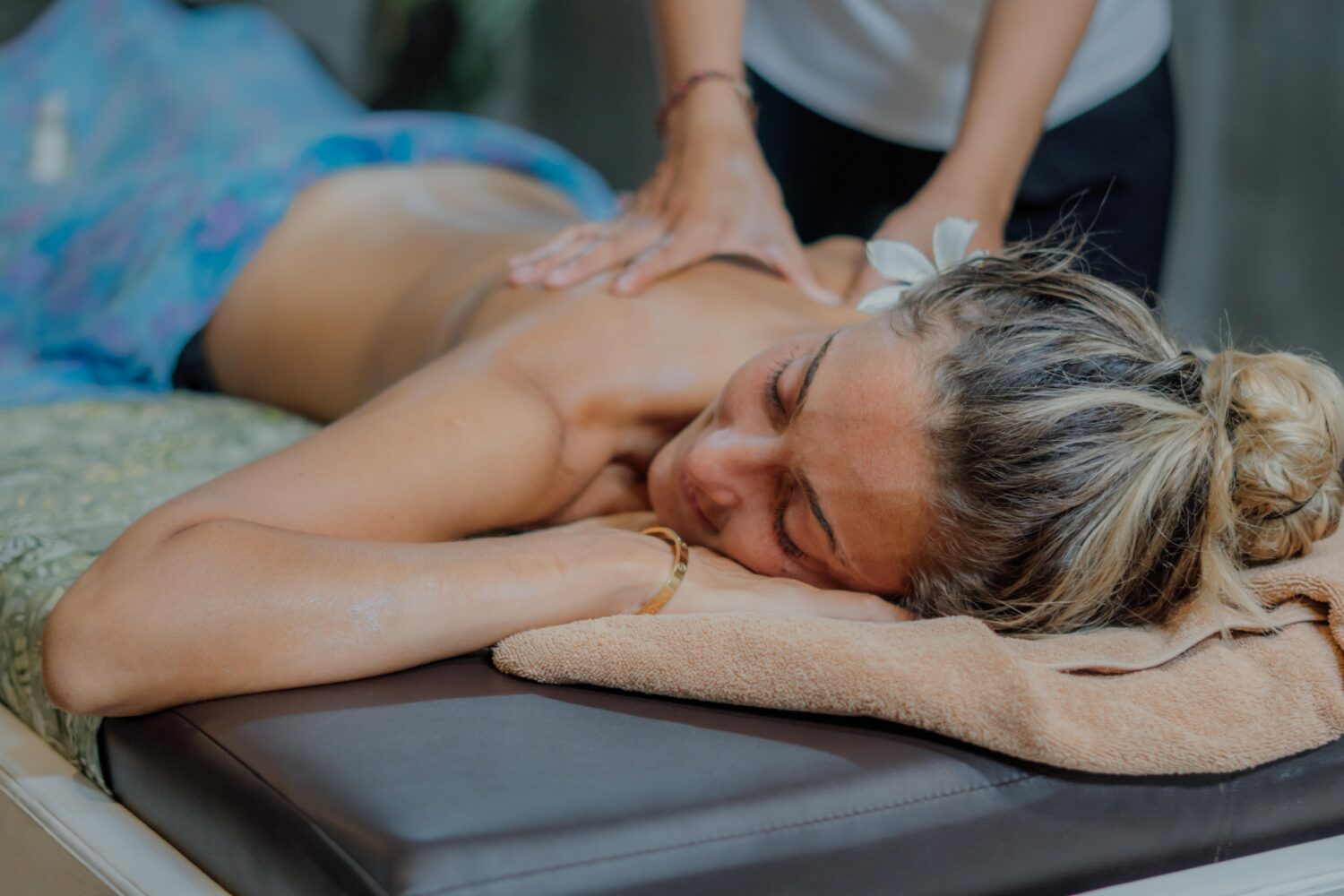
Massage therapy has long been associated with relaxation and stress reduction. Traditional Balinese massage, in particular, combines rhythmic movements, acupressure techniques, and calming oils that help release muscle tension and promote a sense of calm.
Studies suggest that massage therapy may help reduce cortisol levels while supporting the production of serotonin and dopamine, neurotransmitters associated with relaxation and emotional balance (Field, 2016). These physiological responses may contribute to improved overall well-being and better sleep support.
Beyond the physical effects, massage also creates an opportunity for the mind to slow down. In a quiet and calming environment, guests are encouraged to disconnect from daily distractions and focus on rest and recovery.
Why Environment Matters in Relaxation and Sleep Support
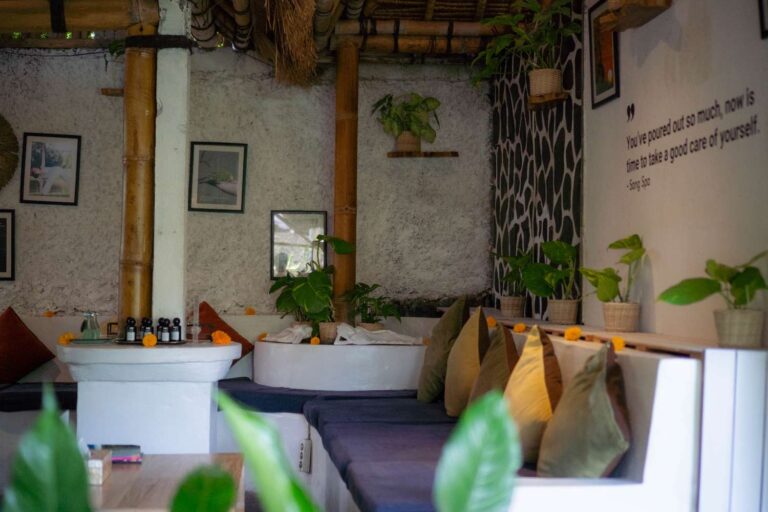
The environment surrounding a wellness experience plays an important role in relaxation. Natural settings, calming sounds, soft lighting, and peaceful spaces can help the body shift into a more restorative state.
Research on restorative environments has shown that exposure to nature can support stress recovery and improve mental restoration (Kaplan & Kaplan, 1989). This is one of the reasons why Ubud has become a globally recognized wellness destination.
Many spas in Ubud are intentionally designed to create a calming sensory experience through garden settings, natural sounds, aromatherapy, and slower-paced rituals. These elements work together to support emotional decompression and deeper relaxation.
The Growing Interest in Wellness and Sleep Tourism
Around the world, more travelers are seeking experiences that help them feel rested, emotionally balanced, and mentally clear. Wellness tourism has evolved beyond luxury spa experiences and increasingly focuses on recovery, mindfulness, and holistic well-being.
According to Smith and Puczkó (2014), modern wellness travelers are often motivated by the desire to reduce stress, improve overall health, and reconnect with themselves emotionally and physically.
As a result, wellness experiences that support calmness, relaxation, and better sleep quality have become an important part of many travel journeys, particularly in destinations known for healing and restoration such as Bali.
Experiencing Deep Relaxation at Sang Spa
At Sang Spa in Ubud, treatments are designed to support relaxation, tension release, and emotional calm through traditional Balinese wellness practices.
Using natural oils, attentive massage techniques, and peaceful treatment spaces, the spa experience encourages guests to slow down and reconnect with their bodies. Many guests describe feeling deeply relaxed and mentally refreshed after their treatments, often highlighting the calming atmosphere and personalized care provided by therapists in their online reviews.
For travelers who feel physically tired yet mentally overstimulated, taking time for a calming wellness ritual may become an important part of restoring balance during their stay in Bali.
Conclusion
Quality sleep and deep relaxation are essential components of overall well-being. In today’s fast-paced world, many people struggle to fully disconnect from stress and overstimulation, even while traveling.
Spa experiences and traditional massage therapies can help support relaxation, emotional balance, and nervous system recovery in a natural and holistic way. In Ubud, where wellness, nature, and traditional healing culture come together, these experiences often become more than simple relaxation treatments.
For travelers seeking calm, restoration, and deeper rest, wellness experiences at Sang Spa offer an opportunity to slow down, release tension, and reconnect with a greater sense of balance and well-being.
References
Field, T. (2016). Massage therapy research review. Complementary Therapies in Clinical Practice, 24, 19–31.
Kaplan, R., & Kaplan, S. (1989). The experience of nature: A psychological perspective. Cambridge University Press.
Morin, C. M., Drake, C. L., Harvey, A. G., et al. (2015). Insomnia disorder. Nature Reviews Disease Primers, 1, 15026.
Smith, M., & Puczkó, L. (2014). Health, tourism and hospitality: Spas, wellness and medical travel (2nd ed.). Routledge.