Introduction
Ubud is widely recognized as the cultural and wellness heart of Bali. Surrounded by rice terraces, tropical forests, and sacred temples, the town offers a peaceful atmosphere that attracts travelers seeking relaxation and personal renewal. Among the many experiences available in Ubud, visiting a spa is one of the most popular activities for visitors looking to restore both body and mind.
However, Ubud is home to hundreds of spas, ranging from luxury wellness retreats to small traditional massage houses. For first‑time visitors, choosing the right spa experience can be overwhelming. Understanding what makes a spa authentic, professional, and aligned with traditional Balinese healing practices can help travelers make the most of their wellness journey in Bali.
This article explores how to choose the best spa experience in Ubud and what to look for when searching for an authentic Balinese wellness treatment.
Why Ubud Is Famous for Spa and Wellness Experiences
Over the past two decades, Ubud has developed a global reputation as a center for wellness tourism. Visitors from around the world travel to the region to experience yoga retreats, meditation programs, holistic healing therapies, and traditional Balinese spa rituals.
Wellness tourism has become one of the fastest‑growing sectors in the global travel industry. Many travelers now seek destinations that promote both physical relaxation and emotional well‑being (Smith & Puczkó, 2014). Ubud’s tranquil environment, cultural heritage, and deep connection to nature make it one of the most attractive locations for wellness experiences in Southeast Asia.
Unlike many urban spa environments, spa treatments in Ubud often incorporate traditional healing philosophies, herbal remedies, and spiritual awareness that reflect Balinese cultural traditions.
What Makes a Spa Experience Authentic
Authentic Balinese spa experiences are rooted in traditional healing practices that combine physical therapies with holistic well‑being. Historically, Balinese healing methods were designed to restore harmony between the body, mind, and spirit.
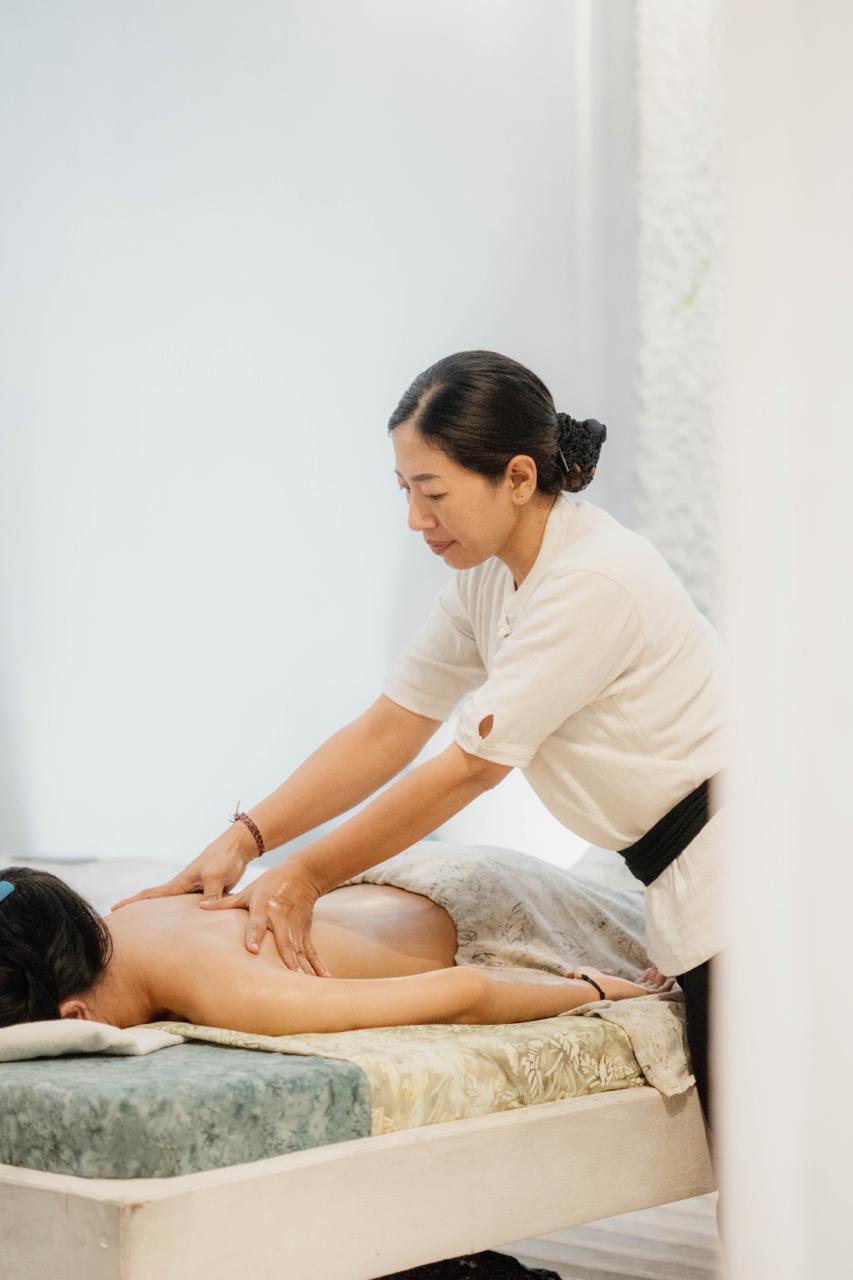
Traditional spa treatments often involve natural ingredients such as herbal oils, flower extracts, and plant‑based scrubs. Therapists frequently use massage techniques that stimulate circulation, release muscle tension, and promote relaxation.
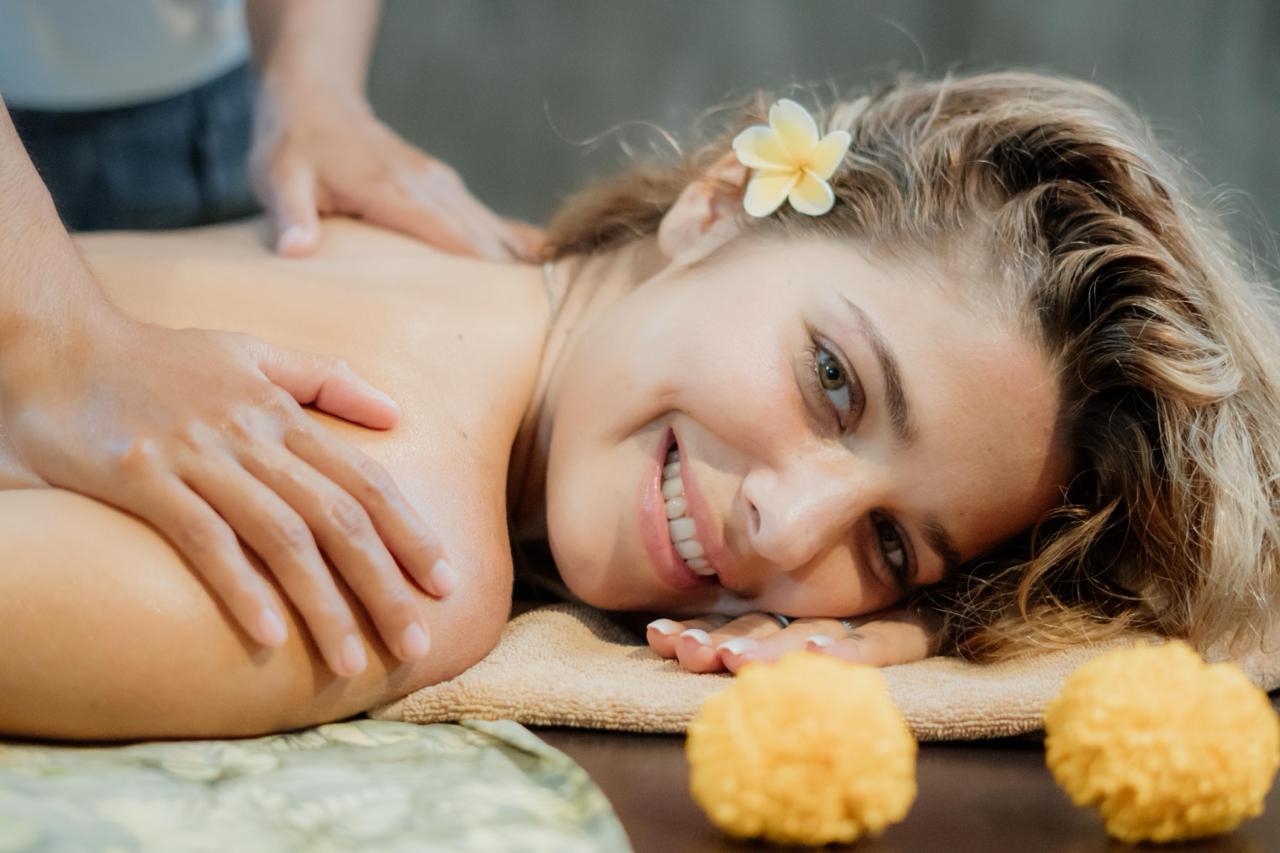
Massage therapy research has shown that therapeutic massage can reduce stress hormones and support relaxation, contributing to improved physical and mental well‑being (Field, 2016). In Bali, these techniques are often combined with cultural rituals and mindfulness practices that make the experience more meaningful for visitors.
Types of Spa Experiences in Ubud
Visitors to Ubud will find a variety of spa experiences, each offering a different style of relaxation and wellness.
Luxury spas often focus on high‑end facilities, private treatment rooms, and premium spa rituals. Wellness retreat centers may combine spa treatments with yoga, meditation, and holistic healing programs. Traditional Balinese spas, on the other hand, typically emphasize authentic massage techniques and natural ingredients inspired by local traditions.
Each type of spa offers a unique experience, and travelers may choose based on their personal preferences, travel goals, and wellness interests.
How to Choose the Right Spa in Ubud
When selecting a spa in Ubud, travelers should consider several important factors.
First, the professionalism and training of therapists plays an essential role in ensuring a safe and effective treatment. Skilled therapists understand traditional massage techniques and know how to adjust pressure and movements according to each guest’s needs.
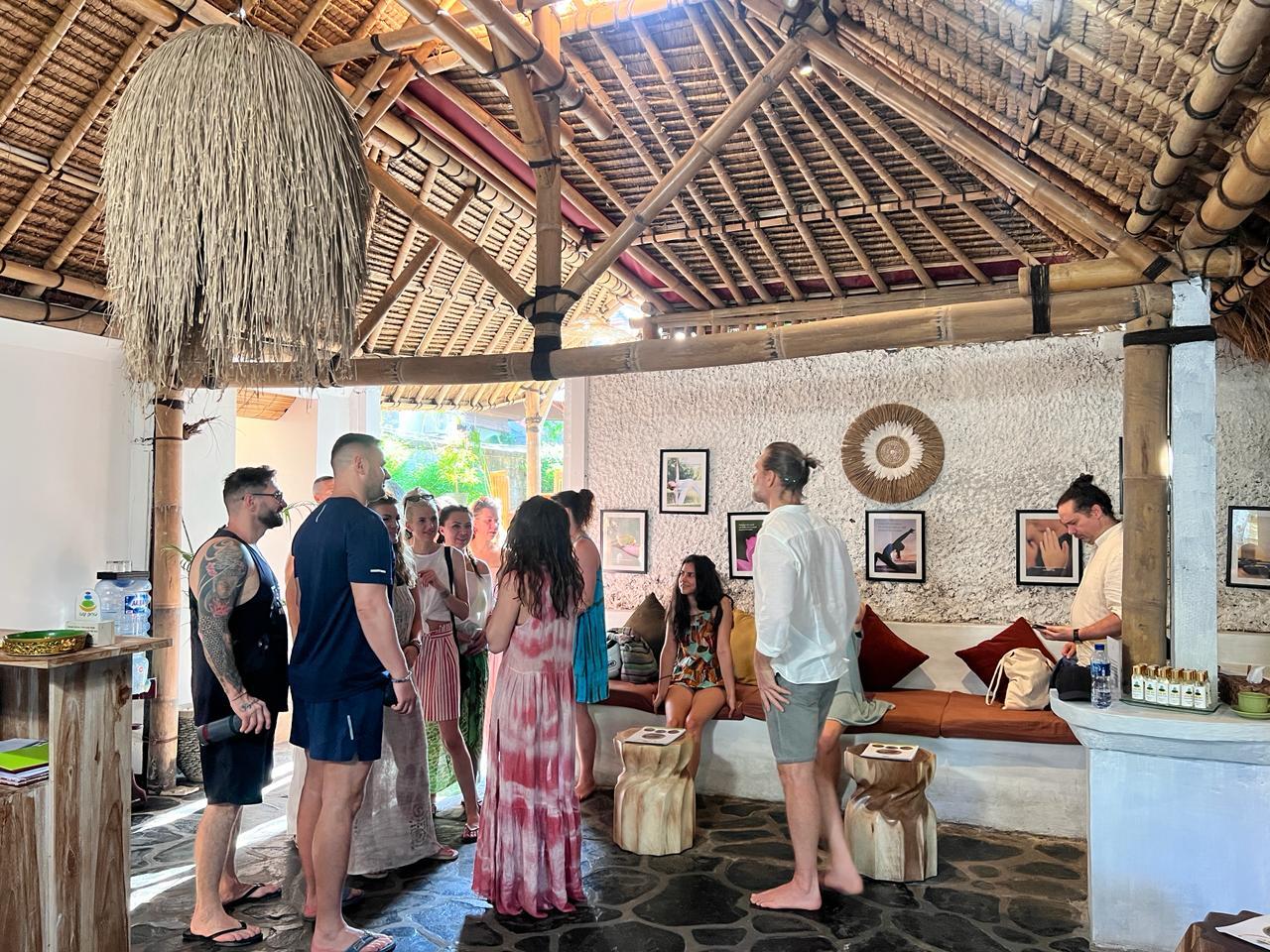
Second, the atmosphere of the spa environment contributes greatly to the overall experience. Many spas in Ubud are designed to integrate nature into the healing process, allowing guests to relax while surrounded by natural landscapes.
Research also shows that exposure to natural environments can significantly reduce stress and improve mental recovery (Kaplan & Kaplan, 1989). This is why many wellness centers in Ubud emphasize open‑air treatment spaces, gardens, and calming natural surroundings.
Experiencing Authentic Balinese Healing at Sang Spa
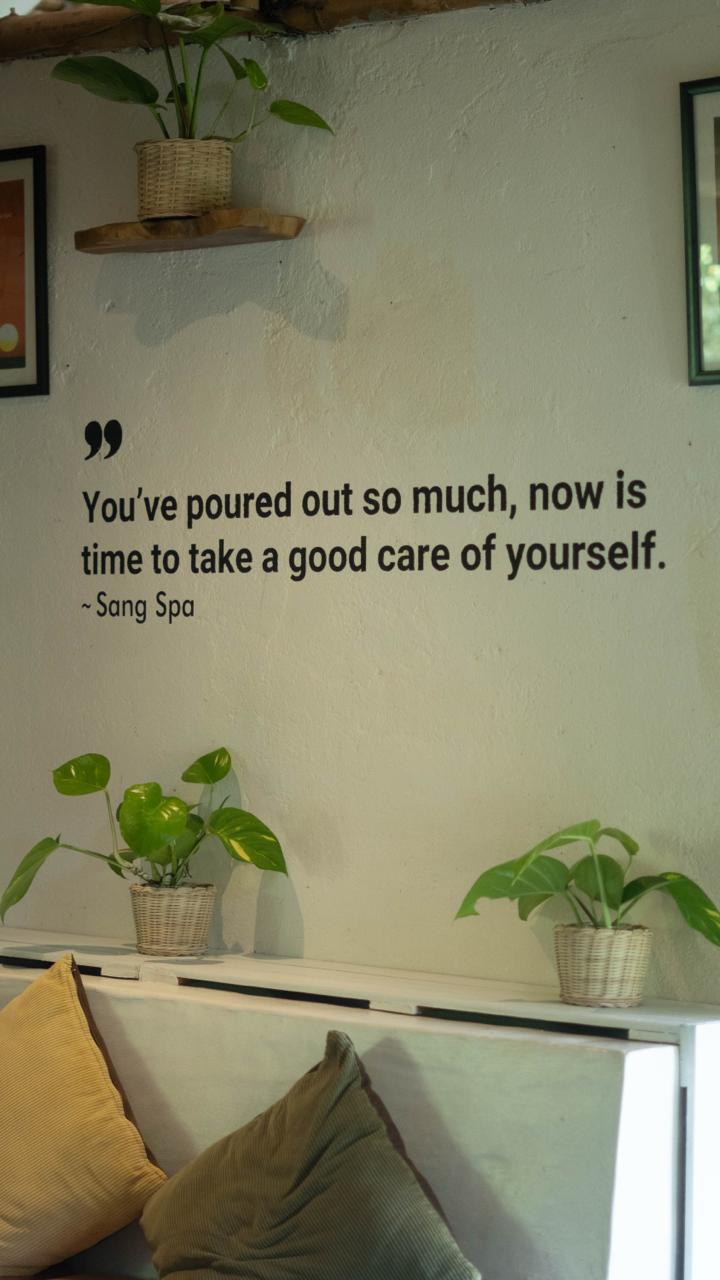
For travelers seeking an authentic spa experience in Ubud, Sang Spa offers treatments inspired by traditional Balinese healing practices. Located in a peaceful setting, the spa provides an atmosphere where guests can fully relax and reconnect with themselves.
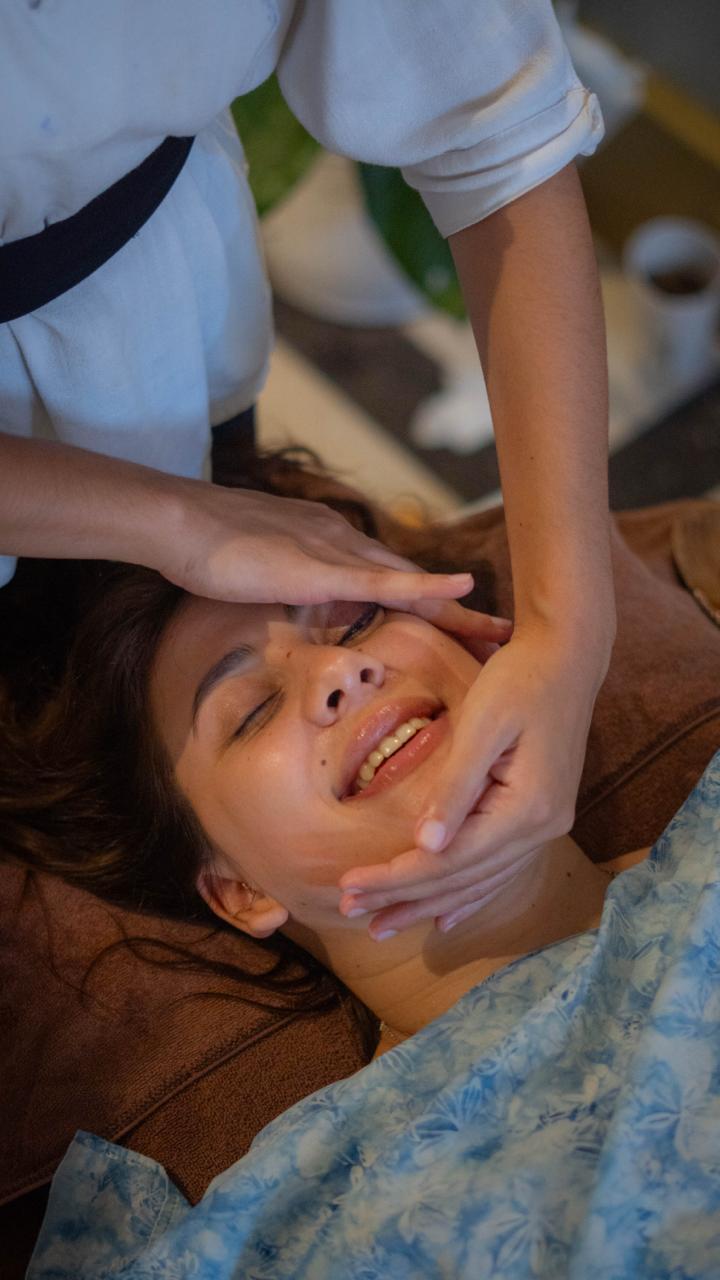
Therapists at Sang Spa combine traditional massage techniques with natural oils and attentive care, allowing guests to experience the therapeutic benefits of Balinese wellness traditions. Each treatment is designed to help restore balance, reduce tension, and create a sense of calm and renewal.
For many visitors, a spa treatment in Ubud becomes more than just relaxation—it becomes part of a deeper cultural and wellness journey.
Conclusion
Choosing the best spa experience in Ubud involves more than simply selecting a treatment. It means discovering a place where relaxation, culture, and holistic wellness come together.
Ubud’s unique combination of natural beauty, traditional healing knowledge, and peaceful atmosphere makes it one of the world’s leading wellness destinations. By choosing a spa that honors authentic Balinese traditions, travelers can experience not only physical relaxation but also a deeper sense of balance and well‑being.
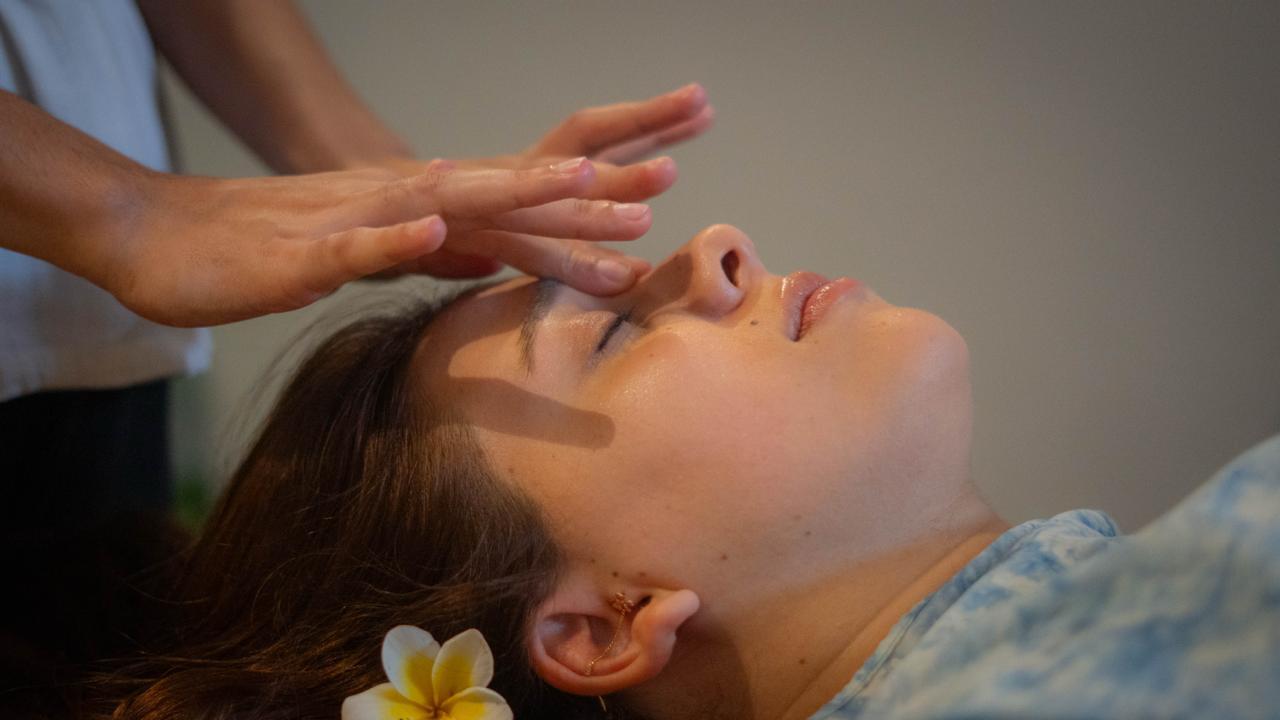
For visitors looking to explore the healing culture of Bali, a spa experience in Ubud can become one of the most memorable parts of their journey.
References:
Field, T. (2016). Massage therapy research review. Complementary Therapies in Clinical Practice, 24, 19–31. https://doi.org/10.1016/j.ctcp.2016.04.005
Kaplan, R., & Kaplan, S. (1989). The experience of nature: A psychological perspective. Cambridge University Press.
Smith, M., & Puczkó, L. (2014). Health, tourism and hospitality: Spas, wellness and medical travel (2nd ed.). Routledge.